No one leaves home expecting an accident. Yet one distracted driver, a slick turn, or a sudden stop can change everything in seconds. The chaos that follows — noise, confusion, flashing lights — often makes it hard to think clearly.
In a city like Memphis, where busy intersections and long commutes are part of daily life, even a minor wreck can cause stress that lingers long after the road is cleared.
What happens in the minutes after a crash can shape how quickly life feels normal again. Taking the right steps early protects your safety, finances, and peace of mind.
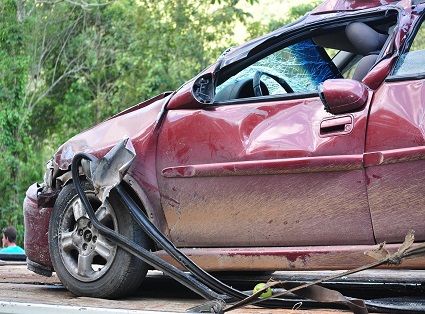
Here are five smart, time-sensitive actions every driver should know before it’s too late.
1. Secure Safety Before Anything Else
Your first priority is not the car — it’s the people inside it. If you’re able, move your vehicle out of traffic or to the shoulder. Turn on hazard lights immediately to warn other drivers. Check for injuries before stepping out; even a small bump can cause hidden damage like whiplash.
Call 911 right away. Emergency responders not only offer medical help but also file an official report — something insurance companies rely on later. If it’s dark, use a flashlight or your phone’s light for visibility. Keeping simple tools like reflective triangles and a compact first-aid kit in your car can make a world of difference when accidents catch you off guard.
2. Get Legal and Medical Clarity Early
In the rush and fear that follow a wreck, people often skip two crucial steps: seeing a doctor and seeking legal clarity. Both matter more than most realize. The adrenaline after an accident can mask pain for hours, even days. Internal bruising, concussions, or neck injuries sometimes appear later, when it’s harder to connect them to the crash.
If the accident leads to injuries, vehicle damage, or confusion about fault, reaching out to a trusted Memphis car wreck attorney helps you understand your rights before signing any insurance documents. Legal professionals, such as those at Maggio Law, know how to deal with adjusters, gather evidence, and prevent families from accepting unfair settlements.
This doesn’t mean turning a difficult situation into a battle — it’s about protection. Just like medical care heals your body, legal care safeguards your future. Acting early avoids regret later.
3. Gather and Protect Every Detail
Memory fades faster than you think when emotions run high. That’s why collecting clear information right after the incident is critical. Take photos of the vehicles, license plates, road signs, and the surrounding area.
If there are skid marks or traffic lights nearby, capture those too — every small detail helps rebuild the scene accurately later.
Ask for the contact information of witnesses and responding officers. Note badge numbers and case details from the police report. Save everything in a secure folder on your phone or upload it to cloud storage for backup.
Organized records reduce the risk of confusion or missing evidence weeks down the line, especially during insurance reviews or legal discussions.
4. Keep Communication Professional and Minimal
Emotions run high after accidents, and it’s easy to say things that may later be misunderstood. Avoid blaming anyone or admitting fault at the scene, even if you feel guilty or pressured. Stick to facts — your name, insurance details, and a simple account of what happened.
When insurance companies call, answer only what you’re certain of. If you’re unsure about a question, politely explain that you’ll confirm once all reports are available. Let your attorney manage detailed communication once you’ve provided them with the full context.
A calm, professional approach protects you from unintentional mistakes and keeps everything aligned with verified facts.
5. Rebuild Routine and Confidence Gradually
After the wreck, physical recovery may come first, but emotional recovery takes time, too. Many people feel nervous behind the wheel, flinch at sudden sounds, or replay the crash in their minds. These reactions are normal — your mind is simply processing the shock.
Start small. Take short drives around familiar areas before returning to long routes. If the anxiety lingers, consider mindfulness exercises, breathing techniques, or short therapy sessions to rebuild confidence.
Families can help by offering reassurance, not pressure. Even simple gestures — joining for short rides or handling errands together — make the road feel safer again.
Over time, these steady, gentle steps remind you that the road still belongs to you. Confidence doesn’t return overnight, but every drive brings you closer.
Conclusion
Accidents can happen to anyone, anywhere, and often at the worst times. But how you respond afterward defines the outcome. Staying safe, gathering information, communicating smartly, and seeking timely help — both medical and legal — keeps small mistakes from turning into lifelong challenges.
In the end, every step after a wreck is about regaining control: of your safety, your story, and your peace of mind. With patience, awareness, and the right guidance, even a frightening experience can become a lesson in strength, resilience, and calm.