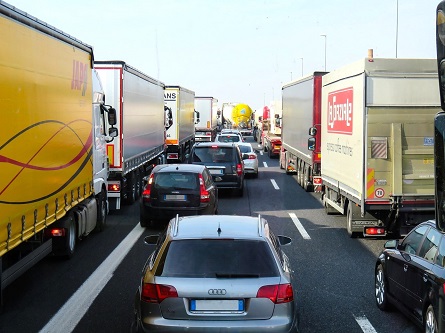
 There’s a certain freedom that comes with hitting the open road, right? No matter whether you’re heading out for a family road trip, commuting to work, or simply enjoying a scenic drive.
However, sharing the highway with big rigs is almost guaranteed. These massive trucks are the lifeblood of commerce, carrying goods across states. But their sheer size and weight also make them intimidating to drive beside.
Accidents involving large trucks can be catastrophic, often leading to serious injuries and long legal or medical challenges. That’s why understanding how to drive safely around them is critical.
With the right habits and awareness, you can reduce risks, protect your passengers, and feel more confident behind the wheel. That said, here are some tips every driver should follow to avoid accidents with big rigs.
1. Give Trucks Plenty of Room
Large trucks require much more space than smaller vehicles. Be it for stopping, accelerating, or making turns. Following too closely puts you in danger if the truck needs to brake suddenly. Tailgating also means you’re hidden from the driver’s line of sight, which increases the chance of a rear-end collision.
In fact, attorneys at Stipe Injury Law Firm, who often deal with truck accident cases, highlight the same issue. Even a small miscalculation in distance can lead to severe outcomes. Hence, their experience as a trusted truck accident attorney in Oklahoma City reinforces the importance of maintaining a safe space around large vehicles to avoid preventable crashes.
Therefore, always maintain several car lengths of distance behind a truck, especially in heavy traffic or poor weather. Remember, the more space you provide, the more time you have to react to unexpected movements.
2. Anticipate Wide Turns
Trucks don’t turn like passenger cars. To make a right turn, many rigs must swing left first, occupying multiple lanes before completing the maneuver. This can confuse drivers who assume there’s space to slip by. Cutting between a truck and the curb while it’s turning is a recipe for disaster.
Instead, always give large vehicles extra room when you see turn signals flashing or the trailer beginning to swing. Slow down, pause, and let the truck complete its turn before moving forward.
The same goes for intersections—don’t assume you can squeeze by when a truck starts turning. Their size requires space, and respecting that space ensures your safety. Ultimately, a moment of patience can save you from a collision that could have serious consequences for everyone involved.
3. Adjust for Adverse Conditions
Weather and road conditions magnify the risks of driving near big rigs. On wet or icy roads, trucks need even more time to stop safely. Poor visibility due to rain, fog, or snow also makes it harder for drivers to see smaller vehicles.
As a motorist, you should take precautionary steps when conditions worsen, such as:
* Increase your following distance,
* Slow your speed, and
* Avoid abrupt lane changes.
Also, pay attention to how trucks are moving; if you notice a driver swaying or adjusting for wind gusts, maintain an even greater distance. Turn on headlights during rain or fog to improve your visibility, not just for yourself but so truck drivers can see you too.
All in all, adjusting your driving style to suit weather conditions is one of the most practical ways to prevent accidents with large vehicles.
4. Stay Focused and Avoid Distractions
Distracted driving is risky under any circumstances, but around big rigs, it’s even more dangerous. Looking at your phone, adjusting the radio, or eating while driving can cost you the few seconds you need to avoid a collision.
Trucks move more slowly to accelerate but faster when momentum builds, meaning their behavior on the road can change quickly. Stay alert to their signals, lane changes, and braking patterns. Keeping both hands on the wheel and your attention fully on traffic helps you react instantly if a truck makes a sudden move.
Consider distractions off-limits when driving near big rigs. Staying focused not only reduces accident risks but also makes you a more confident driver in busy traffic conditions.
Conclusion to Draw!
Sharing the road with big rigs doesn’t have to feel intimidating. By practicing patience, maintaining visibility, and respecting the extra space trucks require, drivers can greatly reduce their risks.
These habits not only protect you but also make highways safer for everyone. Last but not least, driving is about more than reaching your destination—it’s about arriving safely. With these tips in mind, you’ll be better equipped to travel alongside big rigs while keeping yourself and your loved ones secure.