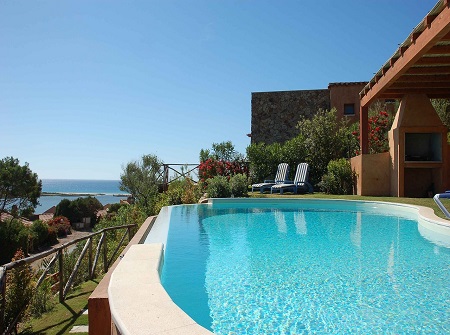
 The short-term rental market has evolved into a competitive space where amenities often make or break a guest’s decision to book. From cozy decor to high-speed Wi-Fi, travelers weigh every feature. Yet few amenities carry as much allure as a private pool. For property owners, financing a pool may feel like a bold move, but when paired with platforms like Airbnb or Vrbo, the return on investment (ROI) can be substantial. Understanding the cost of a pool and how pool financing impacts rental income, guest satisfaction, and long-term property value is the key to making a smart financial decision.
Pools as a Booking Magnet
Travelers often filter searches specifically for properties with pools, particularly in warmer climates or vacation destinations. By adding this amenity, your property immediately stands out from competing rentals without pools. Even if your nightly rate increases, guests are more inclined to pay a premium for the added luxury. Financing the pool spreads out the upfront cost, while the increased occupancy rates and higher nightly rates begin working to offset loan payments almost immediately.
Calculating the ROI on Pool Financing
Return on investment is not just about nightly rates; it’s about balancing the added income against financing costs. Suppose a financed pool costs $50,000, with monthly loan payments of around $500–$700, depending on terms. If adding a pool allows you to raise nightly rates by $75 and increase bookings by just 10 nights a month, that’s $750 in additional income—more than covering the monthly loan expense. Over time, the loan is paid off, but the higher income potential remains.
Guest Experience and Repeat Business
A pool isn’t just an amenity; it’s an experience. Families see it as entertainment without leaving the property, while couples view it as a private luxury retreat. A property with a pool often attracts longer stays, better reviews, and repeat bookings—all of which impact ROI. In fact, guest satisfaction can compound revenue, as positive reviews help your property rank higher in search results on rental platforms, leading to more bookings at higher rates.
Seasonal and Location Factors
Of course, the ROI varies by region and season. A pool in Phoenix or Miami has year-round demand, while one in a colder climate may only attract renters during summer months. This doesn’t mean a pool isn’t worthwhile in seasonal areas—it just means adjusting pricing strategies. During peak season, you may charge a significant premium, allowing you to cover financing costs and still enjoy off-season rental revenue. Aligning financing terms with rental seasonality ensures payments remain manageable without cutting into profits.
Added Property Value and Long-Term Gains
Beyond the immediate rental income, pools also enhance overall property value. When it’s time to sell, a well-maintained pool is often a major selling point that increases buyer interest and can yield a higher closing price. Financing spreads the cost of building, but the equity gained through both higher property value and rental income creates a double benefit. For many owners, this dual return—cash flow from rentals and appreciation in property value—makes financing far more appealing than paying upfront in cash.
Risks and Smart Management
Like any investment, financing a pool comes with risks. Higher maintenance costs, seasonal downturns, or market changes in short-term rentals can affect profitability. However, careful planning can minimize these risks. Choosing durable materials, budgeting for upkeep, and setting aside part of rental income for repairs ensures the pool remains an asset, not a liability. Many owners also find that offering optional heating, safety features, or even poolside upgrades like lounge chairs can further justify premium pricing.
Turning a Loan Into Long-Term Value
Financing a pool for your short-term rental is not just an expense—it’s a strategic investment. When executed thoughtfully, the increased bookings, higher nightly rates, and long-term property appreciation can significantly outweigh financing costs. With careful planning, strong guest experience, and seasonal pricing strategies, a financed pool can become more than just a luxury—it can be the defining feature that drives profitability and long-term ROI.