Thinking about smoothing frown lines or softening crow’s feet, but nervous about getting it wrong? Totally normal. Most “rookie” mistakes with injectables aren’t about the needle—they’re about preparation, provider selection, and aftercare.
And in places like California, where the list of treatment options and experienced professionals is long and competitive, it is even more important to know what’s best for yourself. Get those right, and your results look natural, settle predictably, and last as expected.
Below is a practical, no-nonsense guide for beauty and wellness readers who want the facts—minus the fluff. You’ll find clear steps, smart comparisons, and simple checklists you can use before your first appointment.
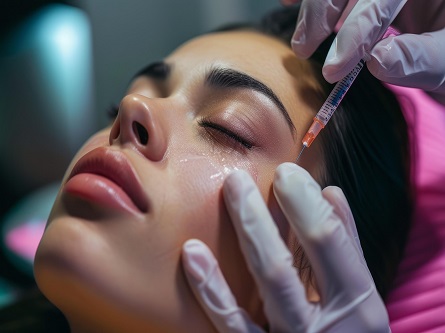
Expecting Botox to Fix Everything on Its Own
Botox works by relaxing the muscles that create expression lines (think 11s, forehead lines, and crow’s feet). It’s fantastic for motion lines. It won’t replace lost volume, reshape lips, or lift heavy skin the way fillers or devices can.
Smart move: decide what bothers you most—movement lines vs. volume vs. skin texture—and choose the right tool for that job. Often, a “less but placed well” approach with Botox plus a tiny tweak in skincare (retinoid, SPF you’ll actually wear) outperforms chasing a dramatic change with more units.
Shopping by Price Instead of Training, Dose Strategy, and Aesthetic Eye
This is where outcomes split. Technique, assessment, and dosing plan matter more than saving a few dollars per unit. Over-relaxed brows, eyelid heaviness, or patchy results usually trace back to poor muscle mapping or “cookie-cutter” dosing.
If you’re comparing options for Botox Orange County, look for an injector with deep facial anatomy expertise—ideally under a facial plastic surgeon like Refreshed Aesthetic Surgery—who prioritizes natural movement, precise placement, and a plan tailored to your features. That single filter beats an entire spreadsheet of prices.
What to ask in consult:
* How do you assess my frontalis vs. corrugator dominance?
* What’s your approach to keeping brows expressive—not frozen?
* How often do you adjust the dose at the two-week check if one area is more active?
Ignoring Brow Dynamics
Forehead dosing without considering brow support muscles can create peaked or droopy brows. Your injector should evaluate how your brows move when you talk, laugh, or concentrate—and balance dosing across the frontalis and surrounding muscles.
Pro tip: raise and furrow your brows during a consult. If a provider doesn’t watch your face in motion, that’s a sign to slow down.
Going From Zero to “Maximum Units” on Day One
First sessions are best treated like a test drive. Dose conservatively, learn how your muscles respond, and refine at the two-week mark. This is how you get a soft, rested look instead of an abrupt change that makes friends say, “Did you…do something?”
A good plan looks like: targeted units to your highest-movement zones, clear expectations for onset (3–5 days), peak (10–14 days), and a scheduled follow-up to fine-tune symmetry.
Skipping the Safety Basics (Medications, Workouts, and Aftercare)
Botox is widely used and well studied, but small aftercare details still matter.
The day of treatment:
* Arrive with clean skin—no heavy makeup or active irritation.
* Avoid blood-thinners if your doctor agrees (e.g., certain supplements) to reduce bruising.
* After injections: no rubbing the area, facials, or aggressive workouts for the rest of the day. Sleep on your back if you can.
Why it matters: you’re protecting precise placement and reducing minor side effects like pinpoint bruising.
Expecting Results to Last the Same for Everyone
Metabolism, muscle strength, stress, even how often you emote on video calls—these influence duration. Most people see peak smoothing at two weeks and steady results for about three months (some slightly less or more).
Two habits that help results last cleanly:
* Keep your skincare boring-and-good: SPF daily, gentle retinoid at night.
* Space high-intensity workouts away from injection day and stay hydrated; both can influence how “crisp” your result looks.
\Not Vetting Before-and-After Photos for Your Age, Skin, and Movement Pattern
Great galleries show patients with a range of ages, skin types, and movement habits—not just 25-year-olds with near-perfect skin. Look for diverse examples, angles that match your features, and results that keep natural expression.
Red flag: pages with heavily filtered, same-angle photos. Green flag: consistent, natural-looking outcomes across different faces, clear lighting, and realistic expectations stated upfront.
A calm wrap-up
Good injectables feel like you on a good day—subtle, refreshed, you. Avoid the common traps by choosing skill over price, starting conservative, respecting aftercare, and treating the process as a two-part plan.
Do that, and your first session won’t be a gamble. It’ll be the beginning of a maintenance routine that fits your face, your calendar, and your comfort level.