Key Takeaways
Younger parents are rethinking traditional approaches to saving for education.
Diverse investment strategies can make higher education more accessible.
Research-backed methods, such as automatic savings and financial literacy, help families reach their goals.
Balancing family priorities while preparing for children’s futures is now a top concern.
The education savings landscape is shifting due to technology, policy changes, and market trends.
Ongoing support and advice can improve long-term savings outcomes.
Understanding the Rising Costs of Higher Education
The cost of a college education continues to climb, putting considerable financial pressure on families striving to secure a bright future for their children. Both public and private institutions have seen consistent tuition increases, with average annual expenses—covering tuition, room, and board—now exceeding $35,000 in the United States. This upward trend, well above inflation rates, highlights the urgent need for innovative and flexible savings solutions. One valuable tool that many Canadians are leveraging is a RESP, which offers tax advantages and investment growth potential tailored to educational goals.
Traditional savings vehicles, like standard savings accounts, often struggle to keep pace with inflation. As a result, families are seeking new ways to build substantial funds over time without jeopardizing other financial priorities. By diversifying approaches and taking advantage of government-sponsored programs, parents can make higher learning more attainable. Early planning and proactive decision-making are essential to offset the unpredictable trajectory of college costs.
New Approaches to Education Savings
The landscape of education savings is evolving, with many families embracing diversified investment strategies over one-size-fits-all solutions. Targeted investment portfolios, government-registered education savings plans, and emerging technologies such as micro-investing apps are gaining popularity. These options provide flexibility, growth potential, and convenience—particularly when paired with automated features that simplify saving and budgeting. By exploring options like ETFs, mutual funds, and tax-advantaged accounts, families can tailor their approach to individual risk tolerances and timelines.
Automating contributions is a proven way to make saving for education less daunting. Setting up recurring deposits—monthly or even biweekly—is a practical step that transforms sporadic saving into a disciplined routine. Involving children in conversations about goal-setting and budgeting also encourages lifelong good financial habits.
For families eager to see how small changes can yield big results, online calculators, financial literacy workshops, and professional advice are more accessible than ever. According to Forbes Advisor resources, leveraging modern savings tools can maximize long-term returns while minimizing financial stress.
Benefits of Starting Early
Time is one of the most potent factors in education savings. Starting early — even with modest monthly amounts—can dramatically increase a portfolio’s value through compounding returns. Automatic monthly deposits ensure consistent growth, take the guesswork out of saving, and can be adjusted as circumstances evolve. Families that prioritize early planning often find they can reach or even surpass their targets without significant strain on their monthly budgets.
Financial experts recommend revisiting savings plans annually to rebalance contributions, review investment choices, and adjust strategies to reflect changes in income or educational goals.
Financial Literacy Matters
Building financial knowledge equips both parents and children with the tools to make informed decisions about education savings. Studies cited by the Federal Trade Commission show that children with strong financial literacy are less likely to incur unmanageable student debt. Community organizations, schools, and online platforms now offer classes and resources designed to improve money management skills for all ages.
Creating a culture of transparency and shared responsibility around financial matters fosters resilience and preparedness, long before tuition bills come due.
Balancing Education Savings with Other Priorities
Navigating multiple financial goals is a reality for most families. In addition to funding future education, many must prioritize retirement accounts, emergency funds, mortgage payments, and daily expenses. The best approach is to craft a dynamic plan that incorporates all priorities while remaining adaptable. Financial planners advocate for periodic reviews—at least once a year—to ensure savings habits remain aligned with changing needs and economic conditions.
Flexibility and regular communication are key; recalibrating contributions in response to significant life events, like job changes or new family members, is both necessary and encouraged.
The Role of Technology in Modern Savings
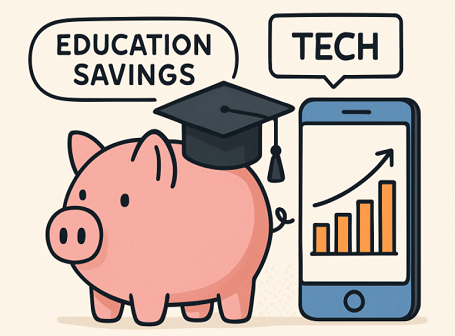
Technology has become a game-changer in the world of education savings. Today’s families benefit from apps and online tools that offer everything from budgeting dashboards to automated transfers and real-time investment monitoring. These tools eliminate many traditional barriers and bring financial planning into daily routines. Tech-savvy parents can quickly analyze account performance, adjust allocations, monitor fees, and receive alerts about savings milestones—all from their smartphones or computers.
Many online platforms even offer education planning calculators and curated investment options, taking much of the guesswork out of setting—and achieving—ambitious savings goals.
Overcoming Common Challenges
Life is unpredictable, and even the most disciplined savers experience setbacks—unexpected expenses, employment changes, and market downturns can disrupt the best-laid plans. Adopting the “pay yourself first” mindset, in which education savings become a standard monthly expense, can help families maintain momentum during tough times. Some families find success using visual trackers or reward systems to celebrate progress and stay motivated.
Seeking ongoing advice from trusted financial advisors and tapping into community resources can further improve money management and savings resilience.
Looking Ahead: Tips for Staying on Track
`1. Review and update savings strategies at least annually to reflect shifting priorities and financial landscapes.
2. Maintain regular, open discussions within the family about future educational aspirations and associated costs.
3. Set realistic, incremental goals for savings growth and acknowledge achievements along the way to foster a positive mindset.
4. Take advantage of government programs and workplace incentives that offer contributions, matching, or tax benefits to supercharge savings efforts.
As the price of higher education continues to climb and the ways to save become ever more dynamic, staying informed and proactive is critical. Families who embrace new technologies, diversify their investment strategies, and build a strong foundation of financial literacy will be best equipped to support their children’s educational dreams.