Table of Contents
The Significance of Early Support for Families
Common Challenges Parents Face After Diagnosis
The Role of Positive Communication in Healthcare Settings
Connecting with Peer Support and Community
Evidence-Based Outcomes and Family Well-being
Helpful Resources for Families
The Importance of Shared Experiences
Moving Toward Inclusive Futures
The Significance of Early Support for Families
Receiving a Down syndrome diagnosis for your child can be life-altering and usher in a wave of uncertainty. Early support during these first moments is vital, as it sets the tone for how families process, adapt, and ultimately thrive in their new circumstances. For many parents, the way information is delivered—not just the facts themselves—shapes their approach to the journey ahead and their sense of hope and empowerment. Supportive communication, empathy, and access to credible resources all help lay a positive foundation.
One vital aspect for families is understanding they are not alone. Stories from those who have walked this path show that community, positive outlooks, and education can transform a family’s experience of raising a child with Down syndrome. Resources that present practical advice and real-world experiences foster resilience and provide practical encouragement as families adjust to their new diagnosis.
Timing matters for emotional assurance. When families are met with understanding right away, it makes a significant difference. Immediate support helps them make sense of unfamiliar medical language, manage emotional responses, and feel prepared for the next steps. Studies indicate that compassionate, well-timed interventions can reduce anxiety and boost confidence in parents during the weeks right after diagnosis.
Building trust starts with ensuring that every question and emotion is met with dignity. Early support—whether it’s through healthcare professionals, peer-led groups, or educational resources—helps families see a future filled with possibilities, not limitations.
After receiving a Down syndrome diagnosis, parents are often flooded with emotions ranging from fear and grief to hope and fierce love. It’s common for families to feel overwhelmed as they seek trustworthy information amid a sea of myths and misconceptions. This initial period can be marked by uncertainty, especially as families navigate new terminology, medical appointments, and perceptions from friends and family.
One of the biggest hurdles is distinguishing credible medical information from opinion or outdated beliefs. Modern research and advocacy have shifted the dialogue, yet parents may still encounter stigma or misunderstanding, making it even more crucial to seek support from reputable, science-backed sources.
The Role of Positive Communication in Healthcare Settings
Healthcare professionals are often the first point of contact for families who are learning about their child’s diagnosis. The language they use—and the empathy they demonstrate—play a critical role in shaping how a family copes with the deeply impactful news. Positive, respectful, and balanced communication not only helps to reduce stress but also creates a safe and supportive environment where families feel comfortable asking questions, expressing concerns, and seeking further information. Effective communication with medical providers goes far beyond simply sharing medical facts and technical details. Healthcare professionals can also offer hope, address worries with compassion, and refer families to peer support organizations, community resources, or early intervention services to ensure comprehensive care for additional guidance on how parents and families can partner effectively with doctors and healthcare providers in healthy, productive ways—especially in challenging or emotionally charged situations- it’s helpful to review expert advice and strategies for communicating effectively with doctors and medical teams during difficult times.
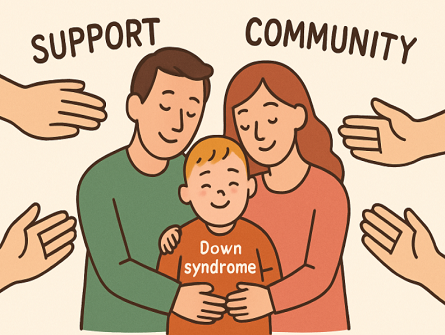
Connecting with Peer Support and Community
Connecting with other parents who have gone through similar experiences offers unique emotional benefits. Hearing others’ stories and building friendships within the Down syndrome community helps to alleviate feelings of isolation. Shared experiences validate emotions and guide families toward optimism and strength.
These peer relationships often become invaluable in providing advice, sharing resources, and modeling resilient mindsets. Local and online support networks can be a lifeline for new families, guiding them as they transition to active advocacy for their children.
Evidence-Based Outcomes and Family Well-being
An expanding body of research highlights the long-term benefits of early, holistic support for families of children with Down syndrome. Studies show that families who engage in structured peer support, counseling, and informed care adapt more positively over time. Children whose families have access to early intervention and social supports often benefit from better health, development, and overall well-being.
A 2022 review published in the journal Frontiers in Psychology found that parental adaptation and resilience were significantly improved by active engagement with supportive networks and participatory education. These outcomes extend far beyond childhood, shaping confident, well-adjusted family units.
Helpful Resources for Families
Navigating a new diagnosis is easier when families can connect with trusted organizations and reputable information. Nationwide and local groups dedicated to Down syndrome awareness offer in-depth guides, emotional support, and opportunities to connect with others.
The CDC’s Down syndrome page provides evidence-based research, shared experiences, developmental milestone checklists, and helpful resources for accessing services. These platforms empower families to make informed choices and embrace a strengths-based perspective.
The Importance of Shared Experiences
Storytelling holds immense healing power for families navigating a Down syndrome diagnosis. When parents reflect and share their journeys—whether through blogs, support groups, or public speaking—they build community and inspire hope for others on a similar path.
Many families recount that the ability to deeply connect and genuinely relate to others’ lived experiences was a significant turning point in their healing journey. These meaningful shared moments not only foster understanding but also pave the way for celebrating each child’s unique qualities and individuality. Moreover, they help redefine existing expectations in a more positive and empowering light, ultimately contributing to a supportive and inclusive environment.
Moving Toward Inclusive Futures
The journey for families often evolves from seeking reassurance to building a vision for what’s possible. Early support doesn’t just address immediate questions; it transforms mindsets and sets the stage for lifelong advocacy and inclusivity. Families become champions for their children, paving the way for wider societal understanding and acceptance.
Supporting inclusive futures means reshaping communities to be accessible, equitable, and respectful of all abilities. By investing in early intervention and expanding advocacy, today’s families help inspire systemic change and brighter opportunities for future generations.