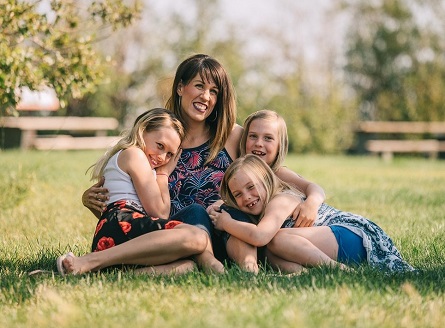
 We’ve all absorbed the image of the “strong mom”—the one who soldiers through sleepless nights and impossible to-do lists without missing a beat. She never cries at preschool drop-off. She keeps the house running, the calendar color-coded, the family fed, and her feelings contained. It’s an impressive picture. It’s also a trap. If the only version of strength we celebrate is stoic endurance, we leave little room for the living, breathing person inside the role of mother.
Real strength looks different up close. It’s not a relentless grin or a spotless kitchen, but rather the capacity to tell the truth about what you’re carrying, to soften when every cultural script tells you to harden, and to ask for help before the dam breaks. Though it sounds contradictory, vulnerability is the doorway to strength.
The hidden cost of “supermom”
The do-it-all narrative promises control and delivers isolation. When the standard is perfection, ordinary human needs—rest, companionship, time to grieve or grow—start to feel like personal failures. Mothers stop raising their hands when they need relief because they don’t want to be a burden. They apologize for being tired, for being tender, for being human.
And yet, anyone who has made it through a hard night with a newborn or a hard season with a teenager knows the truth: resilience doesn’t emerge from ignoring pain. It takes shape when we permit the full range of our experience. Love and loss, pride and fear, delight and depletion. And let others meet us there. A mother who can say “I’m overwhelmed today” is more connected, and connection is what steadies a family.
What vulnerability actually looks like
Vulnerability isn’t a permanent open wound. It’s a calibrated, honest share with people who have earned the right to hear it. In practice, that might sound like:
“I need ten minutes to collect myself before we talk.”
“I’m excited for this new stage and also scared.”
“I can’t run this household alone. Can we redistribute what ‘default parent’ means this month?”
It’s a conversation with your partner about the mental load you’ve been carrying—remembering shoe sizes, scheduling immunizations, tracking teacher emails—and an invitation to move from “Tell me how to help” to “Here’s what I’m taking ownership of.” It’s letting your best friend see the messy middle instead of the curated highlight reel, and trusting that love can handle it.
Vulnerability is also somatic and lived in the body. You can feel when your “window of tolerance” narrows: breath up in your chest, jaw tight, thoughts racing. Strength in those moments is the humility to pause.
You step into the bathroom, place a hand on your heart and another on your belly, and take five slow exhales. You text someone you trust:
“I’m at a seven out of ten; can you check on me tonight?”
You choose restoration over performance, not because you’re weak, but because you’re wise.
How letting in support changes the ecosystem at home
When a mother allows herself to be seen, something shifts in the household. Children learn that emotions aren’t emergencies but a form of information they can listen to and respond to thoughtfully. Partners learn that care is a shared rhythm. The family culture moves from silent endurance to honest contracting:
“What do we each need to feel steady?”
“What are our non-negotiables this week?”
“Where can expectations bend?”
You can make this tangible with a weekly fifteen-minute debrief. Sit down with a calendar and ask three questions: What worked last week that we want to repeat? Where did we feel squeezed or resentful? What can we change now, even just one small lever, to create more ease?
Then translate answers into clear agreements.
“I’ll own Tuesday–Thursday dinners.” “You’ll manage the dentist scheduling.”
“We’ll both keep phones out of the bedtime hour.”
It’s simple, and it’s powerful. Resentment thrives in vagueness; relief follows clarity.
Releasing perfection without lowering the bar on care
Letting go of perfection allows you to choose standards meaningfully and release the ones that only serve optics. Maybe the bar for nutrition stays high while the bar for laundry folding drops. Maybe the kitchen is imperfect, but there is always a soft landing zone on the couch for connection. Maybe you decide that rest, not output, is the focus for the new-baby season.
These are strategies for well-being. When mothers align effort with values rather than image, the family gets more of the good stuff: attention, presence, and warmth.
Practicing vulnerability with your kids
Children don’t need a mother who never makes mistakes. Kids learn important, practical skills when they see how you’ve learned from and resolved your mistakes.
Age-appropriate honesty teaches them that feelings rise and fall and that relationships can hold both. You can say, “I was short with you because I felt rushed and overwhelmed. That wasn’t fair. I’m sorry. Let’s start over.”
You model accountability without shame and boundaries without harshness. Over time, kids internalize that emotions are signals to listen to, not problems to suppress.
Building a circle that can carry weight
Vulnerability is safer (and easier) inside a safe circle. Consider who belongs in yours: the friend who asks a second question, the neighbor who trades pick-ups, the relative who shows up to fold towels and doesn’t make it a commentary on your life.
Consider also seeking professional support, such as a therapist, a support group, a postpartum doula, or a coach. If you’re using a motherhood or holistic pregnancy app, choose one that offers more than platitudes. Look for guided practices that help you recognize your emotions and turn insights into manageable daily habits.
The goal is to stop doing it all alone.
Tiny rituals that build real resilience
Resilience is built in micro-moments long before the midnight meltdown.
To start, create a morning checkpoint that takes sixty seconds: three breaths, a body scan, and one sentence that sets the tone. For example: “Today I choose gentle.” Then, create an evening journaling ritual where you name one thing that went well, one thing that felt heavy, and one ask for tomorrow.
Post a short list on the fridge labeled “When I’m at a seven” with things that reliably help: step outside, drink water, text someone, ten slow exhales, or a five-minute reset timer. These practices become a reliable way to ground you in the moment and enable you to bring your whole self to the people you love.
Redefining strength in public spaces
The culture changes when the conversation changes. If you’re in a workplace, model humane norms where you can. Skip the martyr stories about how little you slept and normalize handoffs, boundaries, and asking for help early.
If you’re in a parent community, share the real version when it’s safe to do so. “This week was rough, but this is what helped.” One person’s honesty gives another person permission, and permission is how movements begin.
A closing word
Strength in motherhood is the courage to name need and let love meet it. It’s knowing when to stand firm and when to soften, when to lead and when to lean. It’s the practice of telling the truth. First to yourself, then to the people who can hold it with you. So you can show up as a whole person, not a performance.
When we redefine “strong mom” this way, we don’t lower the bar; we lift the weight together. And that’s how families become places where everyone, including the mother, gets to be fully human.
If you’re experiencing persistent low mood, anxiety, or intrusive thoughts, reach out to your healthcare provider or a local support line. You deserve timely care and steady support.