The choice of materials for home windows impacts the durability of the windows, energy efficiency, maintenance needs, and even the aesthetic appeal of your home. When homeowners consider upgrading their windows, they underestimate the long-term effects of material selection.
With a better knowledge of these materials and their characteristics, homeowners can make informed decisions that align with their needs and preferences. Investing in quality materials will contribute to lower maintenance costs and a more comfortable living environment. Let’s dive into commonly used window materials and their advantages.
How Windows Add Value to Your Home
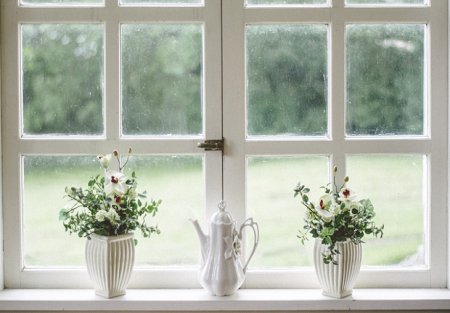
Choosing the right materials for your home windows can increase property value. A wise investment in high-quality windows boosts curb appeal and improves energy efficiency, making the home more attractive to potential buyers. Homes with new windows sell faster and at higher prices. Many buyers prioritize energy-efficient features, understanding that they lead to long-term savings and a higher market value.
When installing top-notch windows, owners can enjoy reduced utility bills and maintain a comfortable indoor climate. Decorative and durable windows create an inviting space that speaks to the overall aesthetic of the home. If you consider installing windows with energy efficiency and durability in mind, select the right materials to maximize your investment.
Wood
Wood is a traditional material that embodies elegance and warmth, making it a popular choice for many homeowners. Its natural insulating properties reduce energy loss and contribute to a more comfortable home environment. Wood requires more maintenance than other materials. Regular painting or staining is necessary to protect it from moisture, which can lead to rot.
Many people appreciate the unique grains and textures that wood offers, giving homes a timeless appeal. Structurally, wood can be very durable if properly cared for, lasting for decades. Wood windows can seamlessly blend with various architectural styles and elevate the aesthetic of a home. For those who prioritize beauty and functionality, wood remains an excellent option.
Vinyl
Made from PVC, vinyl windows come in various colors and styles and accommodate diverse design preferences. The most significant advantage of vinyl is its moisture resistance, which prevents warping and rotting, two common issues with wooden frames. Vinyl windows require minimal maintenance: a simple wash with soap and water suffices. This ease of upkeep makes them ideal for busy homeowners or those looking to minimize maintenance efforts.
Vinyl offers exceptional energy efficiency and exceeds Energy Star ratings. This insulation reduces energy costs and makes it an economical option for long-term savings. When considering windows, vinyl can effectively improve durability and efficiency in any home environment.
Fiberglass
Fiberglass windows are crafted from composite materials, resulting in a product that boasts tremendous strength and durability. Unlike wood or vinyl, fiberglass does not expand or contract with temperature changes, which helps maintain a tight seal and boosts energy efficiency. Their structural integrity allows them to withstand harsh weather conditions without warping or cracking, making them a solid investment in areas prone to severe weather.
Initially more expensive than vinyl, the longevity of fiberglass offsets this concern in the long run. They can be painted in various colors and provide flexibility to match the home’s facade. Fiberglass windows offer a sleek, modern appearance that appeals to contemporary homeowners seeking aesthetic elegance coupled with high performance. Fiberglass stands out as a robust option for those prioritizing both functionality and style.
Aluminum
In modern architectural designs, aluminum windows are known for their sleek appearance and strength. They offer a minimalist look that complements contemporary homes beautifully. One of the primary advantages of aluminum is its resistance to rust and corrosion, making it suitable for various weather conditions. Know that aluminum alone is not the most energy-efficient option available. Many manufacturers now incorporate thermal breaks into aluminum windows for better insulation. This innovation improves energy efficiency and still provides the benefits of aluminum’s structural integrity.
Homeowners should be aware that aluminum requires less maintenance than wood, yet it can get hot in direct sunlight and possibly impact indoor temperatures. For those seeking a modern vibe, aluminum is a strong contender worth considering.
Composite Materials
Composite windows combine multiple materials, bringing together the best aspects of each. They consist of wood fibers covered by a weatherproof exterior, blending the warmth of wood on the inside with the resilience of synthetic materials on the outside. This dual-component design helps in maintaining energy efficiency and reducing the maintenance needs associated with wood. Composite windows are exceptionally durable and provide resistance against moisture, insects, and extreme temperatures. They allow for a variety of finishes and colors, appealing to different aesthetic preferences.
The longevity of composite windows can improve your home’s value, and their environmentally-friendly manufacturing process resonates with eco-conscious consumers. Investing in composite materials means that homeowners can enjoy a balance of performance and beauty without compromising on either front.
Steel
Steel windows are notable for their robust construction and exceptional durability. This material stands up well to harsh conditions, a fantastic option for industrial and commercial properties. Its popular use in residential areas showcases its strength and distinct design capabilities. Many homeowners appreciate the industrial look of steel frames, offering sleek lines and modern aesthetics.
The primary downside is that steel can be prone to corrosion, so choose high-quality, treated products that include protective finishes. Proper sealing and regular maintenance can extend the lifespan of steel windows. Steel frames offer excellent security benefits, as they are impenetrable and create a strong barrier against potential intruders.

Window Frame Materials Comparison
Comparing different window frame materials offers insights into their suitability for your home. Wood provides timeless beauty but requires maintenance. Vinyl offers low upkeep and excellent insulation. Fiberglass boasts strength and energy efficiency, and aluminum delivers a modern aesthetic. Each material presents unique advantages and drawbacks, influencing the decision based on personal preferences and local climate conditions.
Homeowners should weigh cost, appearance, maintenance demands, and energy efficiency when selecting the ideal material for their windows. Understanding these characteristics allows for a tailored decision that benefits both immediate needs and long-term goals. This comparison emphasizes the importance of durability in window material selection and considers satisfaction and property value.
Homeowners have various choices, each offering unique benefits and considerations. A wise investment in durable window materials adds to a home’s aesthetic appeal and reduces long-term costs. Evaluating the available options empowers homeowners to make informed decisions that contribute to their property’s long-term value.