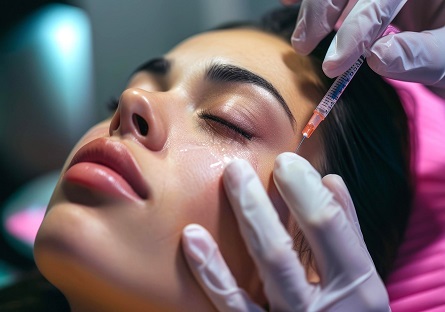
 Picking a filler isn’t about copying a celebrity photo. It’s about matching the right product to your anatomy, your goal, and your timeline—so results look believable from every angle. And understanding all this is especially important in places like Omaha, which is packed with experienced professionals and their varied suggestions.
This guide breaks down how providers choose fillers for cheeks, lips, and jawlines, what to ask at your consultation, and the small aftercare habits that keep outcomes clean. Keep it practical, keep it personal, and you’ll get a look that still feels like you—just smoother and better balanced.
Start with Goals, Not Syringes
Most first-timers point to a single feature: “more cheek,” “sharper jaw,” “softer lips.” Your face, though, reads as a whole. Cheek height changes how full the under-eye area looks. Lip shape affects chin proportion. A defined jaw can calm jowl shadowing.
Ask yourself:
* What bugs you most in photos—flatness, shadows, or edges?
* Do lines deepen when you smile, or are they etched at rest?
* Are you seeking lift, shape, or softness?
Clear priorities help your injector decide where to start and how much structure each area needs.
Area by Area: Cheeks, Lips, and Jawline—Who Needs What?
If you’re researching options for dermal fillers in Omaha, Omaha Face is a solid reference point for how experts match products to goals: firm gels for lift, flexible gels for movement, and silky gels for fine detail. The same logic applies anywhere.
Cheeks (midface lift and light bounce)
* Goal: lift and gently contour, reduce under-eye shadows by supporting the midface.
* Product traits: higher G’ (stiffer, more structural) for lift near the cheekbone; slightly softer gel where the face moves more.
* Good signs: shadow under the eye looks brighter without filling the tear trough directly; nasolabial lines appear softer even before treating them.
Lips (shape over size)
* Goal: outline, symmetry, and hydration, not “bigger at all costs.”
* Product traits: smooth, flexible gels that move with speech and smiles, with precision for the border and Cupid’s bow.
* Good signs: no “shelf” when you turn sideways; upper lip doesn’t roll inward when you grin.
Jawline & Chin (edge and balance)
* Goal: define the mandibular angle, sharpen the jaw sweep, support a recessed chin, and reduce jowl shadow.
* Product traits: firmer gels that hold shape along bone; sometimes micro-aliquots in the pre-jowl sulcus to smooth dips.
* Good signs: crisp light reflection from ear to chin; chin projection aligns with lips in profile.
Product “Feel” Matters: Firmness, Flexibility, and Placement Depth
Not all fillers behave the same. Providers think in three dimensions:
* Structure (lift): Firmer gels placed on or just above the bone give contour and support.
* Flex (motion zones): mid-soft gels sit in areas that move—a smile shouldn’t look stiff.
* Silk (detail work): very smooth gels for fine lines, lip hydration, and feather-light blending.
Placement depth matters as much as product choice. A firm gel placed too superficially can look puffy; a soft gel placed too deeply won’t lift anything. This is why facial mapping during a consult is non-negotiable.
Questions That Separate Experts From Guesswork
Bring selfies from front, oblique, and full profile. Then ask:
* “How do my cheeks, lips, and jawline interact?” You want a plan that explains cause and effect, not three disconnected treatments.
* “Which products and why?” Listen for words like structure, flexibility, and projection, not just brand names.
* “What’s the minimum dose to prove the concept?” A smart start is conservative with room to refine.
* “How do you manage asymmetry?” Everyone has some; a good injector explains how they’ll nudge balance without overfilling.
If the answers feel clear and calm, you’re in the right room.
When to Book Before Photos, Events, or Travel
Swelling is normal and varies by area.
* Cheeks/jawline: usually event-ready in 7–10 days; subtle changes keep improving as filler settles.
* Lips: plan 2–3 weeks before events—lips swell more and bruise more easily.
* Touch-ups: Schedule a 2–4 week follow-up for fine-tuning symmetry or edge definition.
If you’re pairing filler with skincare or device treatments, coordinate timing. For example, do deeper resurfacing before filler or allow adequate spacing after.
Safety and Side Effects
Typical: mild swelling, tenderness to touch, faint bruises. Cool compresses and sleeping slightly elevated for the first night help.
Contact your provider urgently if you notice:
* Severe, increasing pain that doesn’t match the look of the area
* Livedo (mottled, net-like color changes) or blanching of the skin
* Vision changes or unusual numbness
You’re unlikely to see these, but knowing the signs keeps you calm and prepared.
Wrap-up
Choosing fillers by area is easier when you think like a mapper, not a shopper. Define your top concern, match product behavior to the job, and start with a measured plan you can refine. Cheeks lift light, lips frame expression, and jawlines clean up the lower face—together, they bring balance without shouting for attention.
Book your consult with clear goals, ask focused questions, and give yourself a little time to settle. The result should look like you on a good day—front, side, and every candid in between.