 There’s something about outdoor adventures that keeps you coming back for more. Whether it’s climbing trails, cycling across Draper, or joining a quick weekend match, these activities challenge your body in the best ways. However, as soon as the adrenaline fades, your muscles often send a reminder—they need time and care to recover.
Skipping that step is where many enthusiasts go wrong. Soreness may seem harmless, but without care, it can build into something that sidelines you from the activities you enjoy most. That’s why recovery deserves a spot in your routine. Here, we’ll share five practical and effective tips to help your body heal, reduce discomfort, and prepare you for your next adventure outdoors.
Keep reading.
1. Prioritize Hydration Before and After
Staying hydrated is one of the simplest yet most overlooked steps in keeping muscles healthy. When you’re active outdoors, your body loses more fluids than you realize through sweat, especially on warm days. Dehydration makes fatigue worse and leaves your muscles vulnerable to cramping and slow healing.
A smart approach looks like this:
* Drink a glass of water at least 30 minutes before your activity.
* Carry a refillable water bottle and sip regularly instead of waiting until you’re thirsty.
* Replenish afterward with water or electrolyte drinks to restore balance.
Along with quenching your thirst, hydration helps your body flush out lactic acid and other waste products that cause soreness. This makes recovery quicker and more comfortable.
2. Consider Professional Sports Massage
Another effective way to speed up recovery is by working with a sports massage therapist in Draper. Unlike a regular massage, this specialized treatment is designed for active bodies. It blends focused pressure and mobilization techniques to ease tension and help muscles heal more efficiently after strenuous activity.
A typical session may include:
* Targeted deep-tissue work on overused muscles.
* Assisted stretching to restore mobility.
* Pressure techniques that break up tight knots.
* Circulation-boosting methods that speed up recovery.
Some leading clinics, such as Return to Harmony Massage, make sessions even more effective with specialized methods tailored to outdoor enthusiasts. Their therapists personalize each session based on your lifestyle, activity patterns, and long-term goals. This hands-on approach, combined with the ease of online scheduling, makes muscle care both restorative and preventative.
3. Stretch and Cool Down Properly
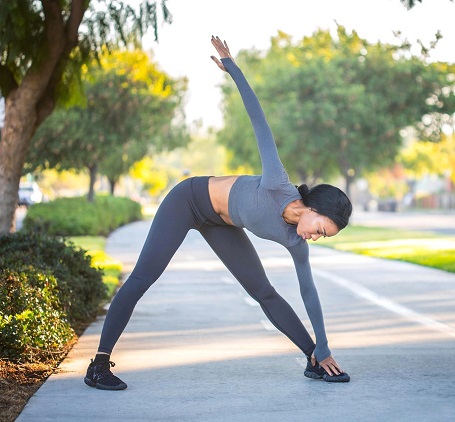
A proper cool-down bridges the gap between effort and rest. Too many people skip this step, only to regret it the next morning when stiffness sets in. Stretching supports blood flow, reduces muscle tension, and helps your body transition smoothly from high intensity to rest.
Outdoor enthusiasts can benefit from movements tailored to their activities:
* Hamstring stretches for hikers and runners.
* Shoulder rolls for climbers, rowers, or kayakers.
* Quadriceps stretches for cyclists or sprinters.
Spending even 10 minutes stretching after an activity can make recovery faster and easier. Over time, it also helps maintain flexibility, which keeps your body resilient against strains.
4. Refuel With the Right Nutrition
Food plays an equally important role in recovery. After pushing your body, muscles need the right mix of nutrients to repair and grow stronger. Skipping meals or grabbing only processed snacks won’t give your body the building blocks it needs.
For best results, include:
* Protein: Eggs, chicken, beans, or Greek yogurt to repair muscle fibers.
* Carbohydrates: Fruits, brown rice, or sweet potatoes to restore energy.
* Healthy fats: Avocados, nuts, or olive oil to reduce inflammation.
Try to eat within an hour of finishing your activity. This window helps your body absorb nutrients more efficiently, setting the stage for faster recovery and better performance the next time you head outdoors.
5. Rest and Listen to Your Body
Recovery isn’t just about what you add—it’s also about what you allow. Rest is when your muscles actually rebuild and adapt to the challenges you’ve put them through. Without it, soreness lingers, fatigue builds, and your risk of injury rises.
Practical ways to make rest part of your recovery:
* Aim for 7–9 hours of sleep to give your body time to repair.
* Alternate intense activities with lighter ones like yoga or walking.
* Pay attention to pain that doesn’t fade—it may be a signal to seek professional support.
Rest doesn’t mean inactivity; it means smart pacing that allows your body to stay strong and consistent in the long run.
Wrapping Up
Outdoor sports and hobbies bring excitement, but recovery is what keeps them sustainable. By staying hydrated, considering sports massage, stretching, eating well, and giving your body rest, you’re setting yourself up for more energy and fewer setbacks.
Building these strategies into your routine ensures that every hike, ride, or game leaves you not only fulfilled but also ready for the next challenge.