Dental emergencies have a way of happening when least expected—whether it’s chipping a tooth in the course of meal consumption, a fall by a hyperactive child during play, or a toothache that strikes in the middle of the night.
These are all painful, worrisome, and outright scary, particularly if you don’t know what to do. An appropriate and prompt reaction within the first few seconds can go a long way in saving your teeth and preventing permanent damage.
Although some dental issues seem minor at first, they can all become serious conditions within two days if not addressed in time. Therefore, dental first aid knowledge makes you calm and react quickly when needed.
This guide is especially helpful to families because it advises how to manage the most prevalent dental emergencies until one can visit a dentist for appropriate treatment.

1. Toothaches
The toothache is likely the first symptom of an underlying dental issue. While the pain may be minimal or excruciating, persistent pain should not be ignored. The causes are likely cavities, infected pulp, gum, or even a cracked tooth.
If pain is severe or sudden, rinse with warm saltwater to clear the area and floss carefully to remove any debris.
Avoid using pointed objects to probe along the gum line. Apply a cold compress to the cheek to reduce swelling, but do not apply aspirin to the gum as it can cause tissue damage.
If you’re in Elizabeth, NJ, it’s strongly recommended that you make an appointment with an emergency dentist in Elizabeth as soon as possible. Immediate treatment can prevent more complicated and costly surgery down the road.
2. Avulsed (Knocked-Out) Tooth
The most serious of the dental emergencies is a completely avulsed (knocked-out) tooth. Regardless of whether the tooth got knocked out due to a fall, sports injury, or accident, time is of the essence. The initial 30 to 60 minutes are vital to increasing the chances of tooth salvage.
Here’s how to quickly and properly respond:
Hold the tooth by the crown (never the root) to prevent tissue damage.
Rinse with water if it’s dirty, but don’t scrub.
Attempt to place the tooth in its socket. If not, place it in a cup of milk or a salt and water solution.
Proceed immediately to a dentist who provides emergency services, such as Community Smiles Dental, if possible.

3. Chipped or Broken Teeth
Not all chipped or cracked teeth are emergencies, but many are. The severity depends on the extent of the damage and whether any nerves or blood vessels are exposed. Even a small crack can harbor bacteria and lead to infection.
If you’ve chipped or broken a tooth:
To ensure the area is clean, rinse your mouth with warm water.
In case of bleeding, apply gauze and gentle pressure.
Cover rough edges with dental wax to avoid cuts in the mouth.
Cracks extending further towards the tooth’s inside can call for root canal treatment, crowns, or extraction. Early diagnosis of cracked teeth can significantly reduce irreversible damage.
4. Lost Fillings or Crowns
Crowns and fillings protect sensitive parts of your teeth, so if one comes off, it may expose tender tissue. It usually makes eating or drinking hurt, especially when taking very cold foods and beverages.
If this happens, try to:
Keep the area as clean as possible.
Temporarily cover the gap with temporary dental cement from a pharmacy until a professional can see you.
Refrain from chewing on that side of your mouth.
Leaving the tooth exposed for a long-time risks infection or further breakage. Community Smiles Dental offers emergency services to fix lost fillings before they get worse.
5. Abscesses
A dental abscess is a pocket of pus resulting from a bacterial infection and is an absolute emergency. A dental abscess can result in pain, swelling, fever, and throat swelling or trouble breathing. These infections can rapidly spread to the jaw, neck, or bloodstream.
Saltwater rinses can bring temporary relief, but never attempt to drain an abscess yourself. It can further spread germs or continue the spread. If you think you have an abscess, you should seek emergency care.
6. Gum, Lip, or Tongue Trauma
Trauma to soft tissues isn’t uncommon, particularly in children and active adults. Biting your tongue, being hit in the mouth, or even brushing your teeth too hard can result in pain and bleeding.
The good news is that most minor injuries heal quickly. To treat them at home:
* Rinse your mouth gently with saltwater.
* You should apply pressure with a clean cloth or gauze to control bleeding.
* Apply an ice pack to reduce swelling.
If bleeding does not stop after 15 minutes or if the cut is deep, visit an emergency dentist to assess the degree of damage and prevent infection.
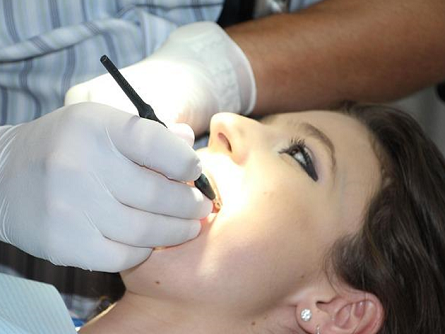
When to Call an Emergency Dentist
Knowing how to recognize the symptoms of a genuine dental emergency is nice. If you’re experiencing any of the following symptoms, call your dentist immediately:
* Severe, lingering pain
* Continuous bleeding
* Broken or knocked-out tooth
* Swelling of the jaw or face
* Presence of pus or signs of infection
Fortunately, getting proper treatment for all these urgent conditions is possible from your neighborhood dental clinic or mobile clinic.
The dental staff has been trained to treat patients of all ages and understand how to manage their pain and anxiety.
Final Thoughts
Dental emergencies can be scary, but a calm, educated response makes all the difference in the outcome.
Understanding what to do—and whom to call—can spare you or a loved one permanent damage and ensure long-term oral health.
From a toothache to a lost crown or knocked-out tooth, acting fast and seeing an experienced Elizabeth emergency dentist ensures you get help when needed.