It is late in the evening, the house is silent, and, out of nowhere, your child wakes up and starts crying due to acute tooth pain or, that is worse, they have a lost tooth or a chipped one. Dental emergencies are unpredictable and may occur anytime. The difference can be knowing how to identify a dental emergency, First aid, and the next appropriate steps to take in the case of the parent.
This guide will take you through a series of the usual nighttime dental emergencies in kids, what you can do immediately, when to call the dentist, and what can be done beforehand.
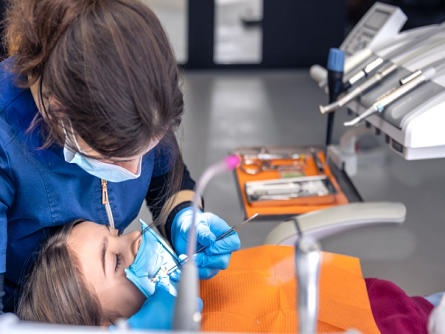
Common Nighttime Dental Emergencies in Children
Children are intrinsically active, and they still develop teeth, which implies that dental emergencies are not alien to them. If you’re looking for a pediatric dental emergency clinic near me, you may also wish to analyze the most common scenarios that parents can encounter:
Toothaches – The sudden, piercing pain in the teeth can jolt a child out of his/her sleep in the middle of the night. The probable cause is cavities, food embedded between teeth, or infection.
Knocked-out (avulsed) teeth – A blow to the mouth or sports-related injury may sometimes cause the tooth to be dislodged completely.
Broken or chipped tooth – A broken or chipped tooth may create pain or sharp edges within the mouth may stress the tongue or cheeks.
Loose teeth (not wiggly) -Trauma can loosen a permanent tooth beyond the wiggly range, but baby teeth loosen normally.
Soft tissue Injuries
Dental abscess – Swelling, fever, with intense pain might arise, caused by a pocket of infection in the gum around the root of the tooth.
Knowing in advance about these emergencies will enable parents to respond properly without incurring complications.
First Aid at Home: What Parents Can Do Immediately
Time immediately after a pediatric dental emergency is important. Check out some easy first aid measures you can apply as parents, and before you get to a dentist.
* Toothaches: Wash the mouth using warm water. Apply firm pressure with the cold compress on the outside of the cheek to reduce the swelling.
* In case of a knocked-out permanent tooth: Handle the tooth by its crown (not by the root). In the case that reinsertion cannot be done, place the tooth in a milk or saline solution.
* If it is a knocked-out baby tooth, it is not necessary to replant. Put the tooth in a little pot in case you have to show it to the dentist.
* In case of soft tissue injury: You may use firm pressure, on a clean cloth or gauze, to arrest the flow of blood. Apply an external cold compress in the case of swelling.
* In case of abscesses: Use mild salt water as a rinse to decrease the bacteria. Place a cool compress on the area and phone the dentist immediately.
Staying calm, not panicking, and giving prompt care can also relieve the pain and make the issue not as bad.

When to Call the Dentist (Even at Night)
Not all nighttime toothaches are dental emergencies that need to be attended to immediately, although there are cases. Parents are advised to call their children’s dentists or the emergency dental hotline in case of:
* One of the permanent teeth is knocked out.
* A tooth is fractured with sharp extensions or a clear nerve exposure.
* The swellings extend to the neck or jaw, or face.
* Your child is experiencing a fever and dental pains (potential infection).
* After 15 minutes, pressure is applied, but the bleeding fails to cease.
* Your child is in serious pain that can never be relieved with common pain-relieving medication.
When the predicament appears to be life-threatening in nature, rush down to your local emergency room. Otherwise, it is possible to find many dental practices, such as those at Smiles + Grins, that would consult with patients immediately.
Preparing in Advance: Every Parent’s Dental Emergency Toolkit
Preparation will enable parents to instantly and decisively act in emergencies that occur late at night. Think of preparing a little dental emergency kit, which will be in your home and car. Items to consider:
* Sterile dressing gloves and sanitary fabric
* A clean, small container
* Salvation solution or small cartons of milk (knocked out teeth)
* Instant ice pack or cold pack
* Dental wax
* A flashlight to assist in getting a look at your child’s mouth
* Over-the-counter pain medication that is child-friendly
* The contact number of your dentist and the closest 24-hour emergency clinic
It is not a replacement for professional care, but the supplies should buy precious time and give relief to your child before he or she is seen.
Preventing Nighttime Emergencies Before They Happen
Statistics show that fluoride can help prevent tooth decay in children and adults by 25%. Not every dental emergency is preventable, but parents can reduce the risks by taking routine preventative visits:
* Practice good oral care every day
* Routine dental visits
* Sports protection equipment
* Safe Bedtime Practices
* Making the home childproof
* Prompt orthodontic attention
Preventive solutions not only cut down on dental emergencies in children but also simplify any unforeseen cases of inconveniences.
In Conclusion
Dental emergencies in children are stressful and all the more worrying when they occur in the middle of the night. The trick for parents is to be able to identify the common emergencies, to know simple first aid, and who to contact when to contact the dentist. One of the ways to make sure that your child is safe is to prepare a dental emergency kit and learn about preventive care.