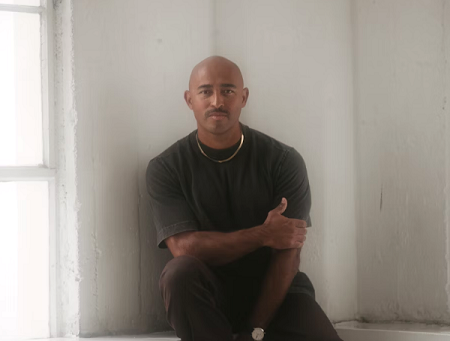
 As many experience the natural process of aging, one common concern arises: hair thinning. Although hair loss is often perceived merely as a sign of growing older, it can sometimes indicate underlying health issues or lifestyle factors demanding attention. Identifying these signs early can be vital, allowing for timely interventions that might restore hair thickness and health.
Understanding Normal Hair Loss
The average person loses between 50 to 100 strands of hair daily, a process considered a normal part of the hair growth cycle. This cycle includes phases of growth, rest, and shedding, influencing the hair’s appearance. Shifts in this balance can lead to more noticeable hair thinning.
Factors such as seasonal changes can affect hair density temporarily, altering how much hair is visibly lost or retained throughout the year. When observing hair thinning, distinguishing between normal loss and signs of a more significant issue is vital. Factors such as genetics, stress, nutritional intake, and environmental influences can dramatically impact hair health. Seeking professional guidance might help determine if lifestyle adjustments could address the root causes.
Health Conditions Linked to Hair Thinning
Various medical conditions may influence hair health, underlining the importance of a thorough evaluation when excessive thinning occurs. Autoimmune disorders such as alopecia areata lead to patchy hair loss due to the immune system attacking hair follicles.
Thyroid disorders, which affect metabolism and energy regulation, can result in hair thinning, highlighting their interconnectedness with health. The reasons for hair thinning often include nutritional deficiencies, particularly iron and vitamin D, presenting another dimension to think about. Ensuring balanced nutrition can help mitigate further thinning while promoting healthier hair growth. Medical advice may be necessary, particularly if thinning appears sudden or extreme, warranting a comprehensive approach to treatment.
The Role of Hormones in Hair Thinning
Hormonal fluctuations frequently contribute to hair loss. Changes in estrogen and testosterone levels can create noticeable shifts in hair density. Women may face significant hair changes during pregnancy or menopause, while men might discover hair thinning linked to androgens. Dihydrotestosterone (DHT), a derivative of testosterone, plays a role in hair follicle shrinkage resulting in hair loss.
Understanding the underlying hormonal dynamics can provide insights into managing hair health. Approaches such as hormone testing could reveal imbalances necessitating adjustments in lifestyle or medical intervention. Addressing hormone-related issues can sometimes foster improved hair health, potentially alleviating the stress associated with noticeable thinning.
Impact of Stress on Hair Thinning
Stress manifests in various ways in the body, including influencing hair health. Conditions like telogen effluvium result from significant stressors, causing a large number of hair follicles to enter the shedding phase prematurely. Managing stress effectively through mindfulness practices, physical activity, or therapy may mitigate its impact on hair.
Recognizing how stress factors into hair loss is an important component of maintaining hair health and well-being. Actively engaging in stress-reduction techniques helps cultivate a healthier mindset while potentially mitigating hair-thinning effects. Integrating practices like yoga or meditation into daily routines may offer substantial benefits, providing a holistic approach to health enhancements.
Nutritional Science and Hair Thinning
Proper nutrition is fundamental in promoting hair growth and preventing thinning. A diet rich in essential vitamins and minerals supports healthy hair. B vitamins, zinc, and omega-3 fatty acids are particularly notable for their contributions to hair health. Deficiencies in these nutrients can lead to increased hair shedding, emphasizing the importance of a balanced diet. Research indicates that optimizing one’s diet can lead to improved hair density.
Consulting a nutritionist might provide personalized recommendations aligning with individual needs, resulting in healthier hair and better wellness. Ensuring adequate hydration is equally important for maintaining hair health. Water plays a critical role in nourishing bodily functions, including those related to hair growth. Without proper hydration, hair may become dry and brittle, potentially contributing to continued thinning.
Equally important is the role of protein, since hair is primarily made of keratin, a type of protein that requires sufficient intake for growth and repair. Iron plays a vital role, as low levels can restrict the oxygen supply to hair follicles, slowing growth. Incorporating nuts, seeds, fish, and leafy greens can provide a well-rounded supply of these nutrients. Supplements may be considered when dietary intake falls short, though professional guidance ensures safe and effective use. Approaching nutrition as part of a holistic lifestyle can improve hair strength and vitality.
Hair Care Practices Affecting Thinning
Certain hair care practices may inadvertently contribute to hair thinning issues. Frequent use of heat styling tools, harsh chemicals, or tight hairstyles can weaken hair and lead to breakage. Acknowledging the impact of these daily choices on hair health is key to long-term maintenance. Opting for gentler hair products and avoiding excessive heat styling can enhance hair’s resilience.
Using wide-tooth combs and minimizing tension on hair during styling can safeguard against unnecessary stress. Tailoring hair care routines to promote healthy growth fosters an optimal environment for hair to thrive, essential for those experiencing thinning. Adjusting hair care practices can create an immediate positive effect, contributing to improved hair density and strength.
Incorporating protective styles, such as loose braids or low-tension buns, helps minimize strain on the scalp and follicles. Scalp care is equally important, as regular gentle cleansing and massage can improve circulation and support follicle health. Avoiding over-washing and choosing sulfate-free shampoos may preserve natural oils that protect the hair shaft. Natural remedies like aloe vera or coconut oil are often used to condition and strengthen strands. When combined with consistent, mindful care, these practices can significantly reduce the risk of further thinning and promote long-term hair vitality.

When to Seek Professional Help
Understanding when to consult a professional is important in addressing hair thinning. Persistent thinning, sudden changes, or accompanying symptoms such as scalp irritation necessitate evaluation by a dermatologist or healthcare specialist. Professional assessments may target the root of hair loss while guiding effective treatments, whether over-the-counter or prescription solutions.
Early intervention ensures the best probability of restoring hair density and encouraging new growth. Integrating medical input with lifestyle modifications constitutes a comprehensive approach to treating thinning effectively. Awareness of additional treatment options, including pharmaceutical interventions or specialized hair products, can enable a tailored plan to manage hair thinning effectively.
Research consistently shows that early engagement with healthcare professionals results in more favorable outcomes for those grappling with thinning hair. Navigating the complexities surrounding hair thinning requires awareness and a proactive approach. Recognizing signs and understanding underlying issues can create pathways to address and manage hair health effectively.