A healthy living space is one of the most crucial things for every homeowner. Whether it’s a luxurious villa or a sweet apartment, maintaining basic hygiene is a priority for everyone. However, specific environmental issues, such as the growth of mold, can hinder your home care goals and affect the quality of your space.
Mold is a silent intruder, wreaking havoc in a latent manner around the house. It may grow behind walls or under floors, causing structural damage to your property.
While mold often lies hidden, there are sure signs you can observe to detect and manage mold early.
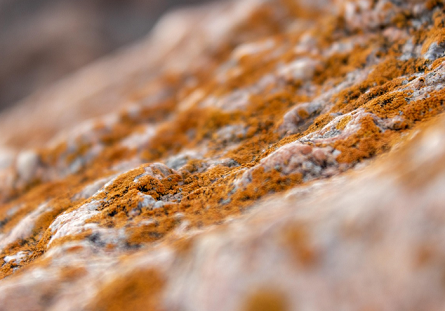
How Mold Disturbs The Appeal Of Your Home?
When it comes to dealing with mold growth in your home, you must understand the ways in which it infests the space. Mold is a type of fungus that requires humid conditions and dampness for survival. It multiplies through the transmission of spores, which can enter your living space and grow extensively.
As a result, it may infest your windows, doors, or clothing when left unchecked for a considerable duration. Experts suggest that one of the signs of mold in your home may be an increase in respiratory issues and poor immunity among the members. However, you can investigate mold growth through reliable signs around the living space as mentioned below.
1. Persistent Earthy & Stale Odor
Did you know that one of the most crucial signs of mold infestation in your household is an earthy or stale odor? The strong, musty smell arises as a result of moisture-laden or damp surroundings and might increase in intensity after rainfall. Moreover, the odor intensifies in certain areas of your living space with minimal ventilation, like bathrooms or attics.
If you are unable to see the mold with the naked eye, a lingering odor that stays even after cleaning may be a sign. Additionally, you may inspect certain areas, particularly under the carpet or behind the wallpaper, to find mold growth.
2. Visible Mold Growth
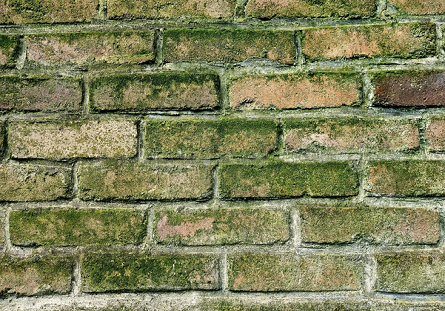
Another possible way to inspect mold growth in your living space is by observing visible signs. While most mold remains hidden, there are certain areas of your household where growth might be visible. Moreover, mold growth may appear in diverse colors ranging from black to green or even pinkish hues. While inspecting, you can focus on the areas around the window frame or door. Moreover, try to observe patchy mold growth behind appliances, including washing machines and furniture.
3. Inspect Water Damage
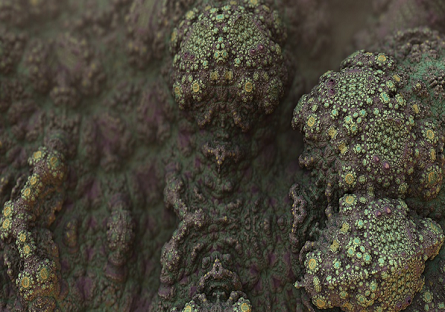
There is no doubt about the fact that mold growth arises in damp and humid areas of your household. Water damage is one of the most crucial causes of mold growth, leading to warping walls or ceilings. Several signs, particularly stains or bubbling paint on walls, signify a humid and moisture-laden area. Such areas may be predisposed to mold infestation and require immediate management.
4. Past Water Leaks
An abrupt flooding or a leaky roof might be a sign that mold infestation has already occurred in your household. Certain observations, like a burst pipe or sudden flooding, can result from prolonged mold growth. It’s essential to consider that mold can remain hidden or latent for a significant period of time. Additionally, it reproduces in favorable conditions.
As a result, exposure to moisture or rainfall can exacerbate infestation and cause significant mold growth. Hence, it’s crucial to choose an ideal management of water-related issues and protect the structural components of your household.
5. Respiratory Illness
Do you or your household members experience certain signs of respiratory illness when at home? Some common signs of mold infestation reflect on your health and may lead to allergies or trigger asthma in the long run. Some common respiratory symptoms associated with mold growth are frequent sneezing, coughing, and a wheezing sensation around the chest area.
Additionally, itching, particularly near the eyes or on your skin, might be due to the dispersed mold spores in your household. Persistent headaches and malaise can be the result of severe, long-standing respiratory symptoms following mold growth. Such issues require urgent management to ensure optimum health and structural integrity of your household.
6. Persistent High Humidity
Almost everybody realizes the effect of high moisture levels on infestation and growth of mold. But have you ever tried to measure the indoor humidity levels in your living space? As a preventive measure, aim for indoor humidity between 30 and 50% using appliances like dehumidifiers. Additionally, turn on the exhaust fans in your living room or kitchen area to ensure appropriate dryness.
7. Cracks & Peels Around Grout
There are times when you notice cracking or peeling around the tile grout of your living space. This is because mold growth usually occurs in damp, humid conditions. As a result, different mold varieties might cause cracking or darkening of the areas around the kitchen and bathroom.
8. Corrosion Around Pipes
Due to excessive moisture, your metallic appliances may experience corrosion. It may be a potential sign of mold invasion, due to the damp conditions favoring mold growth. For this, you must check for signs, like condensation around cold pipes or corroded plumbing fixtures. It may indicate an ongoing mold infestation and demand immediate management.
The Bottom Line
When it comes to maintaining a healthy living space, you must look out for potential infestations, like mold growth. While the fungus varieties often remain hidden, you can observe different signs to predict their presence. Whether it’s a persistent musty odor or excessive corrosion around your living space, there are multiple signs to watch out for.
Not only will it help protect your home from structural damage, but it also ensures the optimum health and well-being of your family members.