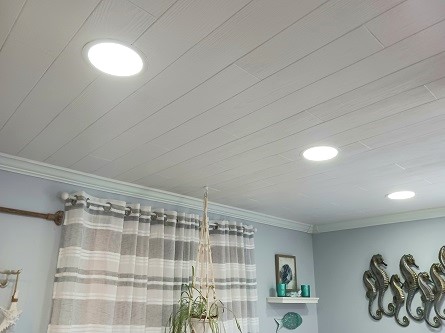
 Lighting plays a crucial role in shaping the atmosphere, functionality, and aesthetic appeal of any space. Recessed lighting, often referred to as can lights or downlights, offers a sleek and modern way to illuminate rooms without taking up visual space. When planning to install recessed lights, homeowners and designers are often faced with a choice between retrofit and new construction options. Selecting the right type depends on the structure of the building, the stage of construction, budget considerations, and the desired lighting outcome. Making an informed choice ensures that the lighting performs efficiently, integrates seamlessly with the design, and reduces future maintenance challenges. We will explore the factors to consider and practical guidelines for deciding between retrofit and new construction recessed lights, helping you achieve the ideal lighting setup for any room.
Key Considerations for Choosing Recessed Lights
Structural Accessibility and Installation Stage
One of the most important factors in choosing between retrofit and new construction recessed lights is the accessibility of the ceiling space. New construction lights are designed to be installed before the ceiling is finished, such as before drywall or plasterboard is applied. This type allows for direct attachment to ceiling joists, making it easier to position lights exactly where they are needed. Retrofit recessed lights, on the other hand, are specifically designed for existing ceilings where access above the ceiling is limited. These lights are constructed to fit into an existing hole without requiring major alterations to the ceiling. The installation process often involves cutting a hole to accommodate the housing and then inserting the fixture into the space. Understanding the stage of your construction or renovation helps determine which option will save time, reduce labor costs, and prevent unnecessary structural modifications, making your LED recessed lighting installation both efficient and effective.
Ceiling Type and Material
The type of ceiling material plays a significant role in determining which recessed light installation method is suitable. New construction lights work best with open or unfinished ceilings where the fixture can be mounted directly to joists or beams. This method provides stability and allows for a range of housing sizes, which can accommodate different lighting designs and wattages. Retrofit lights are compatible with finished ceilings, such as drywall, plaster, or suspended ceilings. They are designed to fit snugly into existing spaces, minimizing disruption to the surrounding ceiling material. If the ceiling is delicate or prone to damage, retrofit lighting may be the preferred choice, as it reduces the risk of creating unsightly cracks or requiring extensive patching work. Evaluating the ceiling type ensures that the lighting installation process is smooth and preserves the integrity of the room’s design.
Lighting Design and Layout Flexibility
When selecting recessed lighting, it is important to consider the overall design and layout of the room. New construction recessed lights offer greater flexibility in terms of placement and spacing, as the fixtures can be positioned anywhere within the open ceiling framework. This allows for customized lighting layouts, whether the goal is to create ambient lighting, accentuate architectural features, or provide task lighting for specific areas. Retrofit fixtures are limited by the existing ceiling configuration and the size of the hole available for installation. While they still allow for creative placement, the options may be constrained by joist spacing and ceiling structure. Understanding the room’s lighting requirements and intended mood can help determine which type of recessed light will achieve the desired aesthetic while optimizing functionality.
Energy Efficiency and Fixture Options
Recessed lighting technology has advanced significantly, with energy-efficient LED options available for both retrofit and new construction applications. New construction lights often provide a wider range of fixture options, including different trim styles, wattages, and beam angles. These fixtures can be paired with dimmers or smart home systems for additional control over brightness and energy use. Retrofit lights also offer energy-efficient LED solutions, and many are designed to fit standard openings, making it easier to upgrade older lighting systems without extensive rewiring. Considering energy efficiency not only reduces electricity costs but also minimizes environmental impact over the life of the fixture. Selecting fixtures that match the intended brightness and beam spread ensures even illumination and a cohesive lighting design.
Cost and Installation Complexity
Budget and installation complexity are practical considerations when deciding between retrofit and new construction recessed lights. New construction lights generally involve higher upfront costs due to the fixture itself and the labor required during the early construction stage. However, they can provide a more permanent and stable installation, reducing long-term maintenance concerns. Retrofit lights are often less expensive in terms of labor because they do not require extensive ceiling modifications or access to the space above. However, installation in finished ceilings can still be time-consuming, particularly if multiple fixtures are being added to a room. Balancing the initial cost with long-term benefits, ease of installation, and potential energy savings is essential when planning a recessed lighting project.
Choosing between retrofit and new construction recessed lights requires careful consideration of several factors, including ceiling accessibility, material type, lighting layout, energy efficiency, installation complexity, maintenance needs, and safety regulations. New construction fixtures offer flexibility and stability when installed during the early stages of building, while retrofit options provide practical solutions for finished spaces with minimal disruption.
Assessing the specific needs of a room, the stage of construction, and long-term lighting goals helps in selecting a solution that balances performance, aesthetics, and practicality. By weighing these considerations, homeowners and designers can create a lighting setup that enhances the ambiance, functionality, and value of their space while ensuring a smooth and efficient installation process.