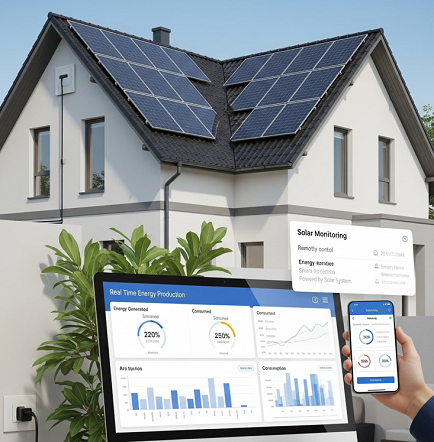
 In an era marked by rising energy costs, unpredictable outages, and growing environmental awareness, American homeowners are increasingly turning to solar power. Yet, what once seemed a complex, drawn-out process is now streamlined — just a few clicks connect you to tailored solar solutions via innovative online suppliers.
These digital platforms don’t simply sell solar equipment; they revolutionize the experience by offering intuitive design tools, clear savings projections, and personalized consultations. This shift is dismantling barriers, making renewable energy an achievable reality for a broader range of households than ever before.
Online Solar Suppliers Are Changing the Energy Landscape
Gone are the days of waiting weeks for site visits or navigating complicated sales funnels. Today’s solar energy solutions can be researched, quoted, and purchased entirely online. With intuitive design tools, comparison charts, and flexible DIY solar kits, homeowners now engage with solar suppliers the way they shop for electronics or furniture — on their terms, at their pace.
These platforms don’t just sell equipment. They provide education, real-time savings calculators, and customer service tailored for homeowners new to solar. For many, it’s the digital convenience that tips the balance toward renewable energy.
How American Homeowners Benefit from Evolving Online Solar Supplier Ecosystems
In a 2024 study of residential solar users across three U.S. states, 72% said they preferred working with online-first solar providers over traditional local contractors. Why? Flexibility, transparency, and faster delivery.
Leading solar panel suppliers now allow customers to:
* Choose pre-configured kits or build custom systems
* Compare costs with and without battery storage
* Access remote design consultations
* Receive support for permits and installation
This ecosystem empowers homeowners to match solutions to their lifestyles, not the other way around. Whether it’s a small rooftop array or a fully off-grid setup, options are expanding rapidly.
Case Study: DIY Importers and the Rise of Direct Sourcing
An emerging trend shows technically savvy consumers sourcing panels and inverters directly from overseas manufacturers — often saving 30–50% compared to domestic retail prices. Though this comes with risks (e.g., warranty limitations, lack of tech support), it speaks to the growing independence of solar consumers.
Expanding Access Without Rooftops
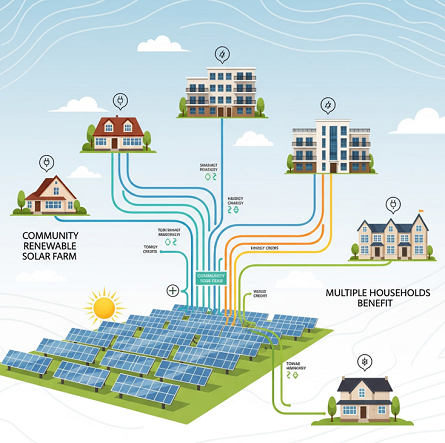
Not every household has a sun-friendly roof or property rights to install panels. That’s where community solar steps in. Through online subscription services, renters and condo dwellers can support solar farms and receive credits on their utility bills.
* No physical installation: Just a subscription, typically at a fixed monthly rate
* Lower barrier to entry: Often no upfront cost
* Socially inclusive: Supports clean energy equity across demographics
Many solar power providers now include community solar offerings as part of their product mix. These platforms act as bridges between utility grids and residential customers.

Redefining Solar Convenience: Tools, Kits, and Smart Design
Modern solar equipment comes packaged with user-friendly features: pre-wired junction boxes, plug-and-play inverters, mobile monitoring apps, and more. Kits designed for cabin homes or van life are equally popular — showing that solar is no longer just a utility decision, but a lifestyle upgrade.
Even utility-connected homes now opt for solar-plus-storage systems to boost resiliency. When paired with home automation, these setups allow users to prioritize loads, manage peak use, and reduce energy waste.
What Women Homeowners Should Know About Solar
According to recent homeowner research by Pew, women are increasingly leading household sustainability decisions, including solar adoption. Whether managing family budgets or choosing environmentally sound products, women are often the primary researchers and decision-makers.
For female homeowners juggling work, childcare, and home upgrades, solar kit suppliers that provide streamlined tools, visual quotes, and stress-free delivery are a major advantage. Time-saving interfaces and reviews help simplify a process that once seemed overly technical.
Moreover, installing a solar system can boost property value and lower long-term energy costs — key benefits for families focused on financial stability and energy-conscious living.
Budgeting Tips for Family Households
* Check if your state offers solar incentives or tax rebates through the DSIRE database (dsireusa.org).
* Ask suppliers about payment plans, lease options, and net metering benefits.
* Compare annual energy usage and forecast your monthly savings.
These steps allow you to assess whether solar aligns with your financial goals while contributing to a greener lifestyle.
Final Thoughts: Solar on Your Terms
The new generation of solar power suppliers puts power — literally and figuratively — into the hands of homeowners. With better pricing, transparency, and digital support, residential solar has moved beyond early adopters and into the mainstream.
Whether you’re researching rooftop panels, exploring solar kit suppliers, or considering a community solar subscription, the tools you need are now a click away. Solar is no longer a complicated upgrade — it’s a personal choice, made easier by thoughtful design and online accessibility.