St. Louis, Missouri, is a historic Midwestern city located along the Mississippi River and known for its iconic Gateway Arch. Once a major hub for westward expansion, it has grown into a center for commerce, healthcare, education, and culture. Today, the city blends rich history with a vibrant arts, sports, and culinary scene, making it an important economic and cultural hub in the region.
Like many growing urban areas, St. Louis also faces challenges when it comes to traffic and pedestrian safety. Intersections are common hotspots for collisions, underscoring the need for improved crossing designs and heightened driver awareness. Another significant factor contributing to pedestrian vulnerability is the time of day — most pedestrian fatalities occur at night, emphasizing the importance of better lighting and visibility.
This article will explore the factors that make pedestrians more vulnerable to road accidents and why you might need a pedestrian accident lawyer in St. Louis to help you navigate the complexities of such cases.
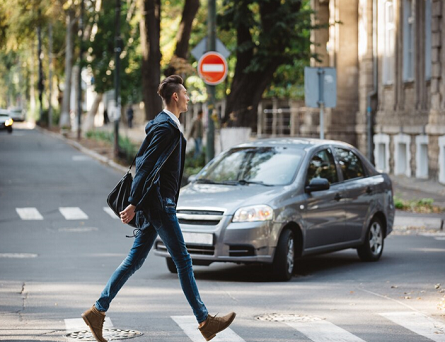
7 Key Risks That Increase Pedestrian Accident Rates
Pedestrian accidents are on the rise in St. Louis, and certain factors increase the risk of injury or death for pedestrians. Understanding these risks is essential for both pedestrians and drivers. Here are the main factors that make pedestrians more vulnerable to road accidents.
1. High-Speed Roads and Arterial Streets
Many of the deadliest pedestrian crashes in St. Louis happen on wide arterial roads where speed limits exceed 35 mph. These roads—like Grand, Kingshighway, Broadway, and Lindbergh—often have long distances between crosswalks. Without safe mid-block crossings, people are more likely to take risks crossing in unsafe spots.
Under Missouri law (§ 304.010 RSMo), drivers must operate vehicles at speeds that are “reasonable and prudent” for conditions. But in practice, high posted limits and wide lanes encourage speeding, which increases both the likelihood and severity of crashes involving pedestrians.
2. Poor Lighting and Nighttime Conditions
About 75% of pedestrian fatalities in the region happen at night. Dimly lit streets, burned-out lamps, and shaded intersections make it harder for drivers to see you. Reflective clothing and lights can help, but infrastructure changes like brighter streetlights and illuminated crosswalks have a much bigger impact.
Nighttime visibility issues are especially serious on roads without sidewalks or with overgrown vegetation blocking sightlines. This leaves pedestrians closer to traffic and harder to detect until it’s too late.
3. Dangerous Intersections
A significant share of pedestrian accidents occur at intersections. Factors include:
* Drivers failing to yield during turns.
* Poorly timed signals that don’t give pedestrians enough crossing time.
* Obstructed views from parked cars or signage.
Missouri law (§ 300.375 RSMo) requires drivers to yield to pedestrians in marked crosswalks and at intersections without signals when the pedestrian is on the same half of the roadway. However, compliance is inconsistent, and enforcement can be limited.
4. Distracted and Impaired Driving
Drivers distracted by phones, GPS systems, or in-car entertainment systems pose a serious risk. Even a brief glance away from the road can result in missing a pedestrian in a crosswalk. Alcohol and drug impairment also slow reaction times and reduce awareness.
While distracted driving is prohibited under Missouri law for certain drivers (§ 304.820 RSMo for commercial and under-21 drivers), there’s no blanket ban for all drivers, leaving a gap in safety protections.
5. Inequitable Street Design
Communities of color in St. Louis see a disproportionate number of pedestrian accidents. Many residents rely on walking and public transit, but these neighborhoods often have poorly maintained sidewalks, fewer crosswalks, and higher-speed roads. Historic disinvestment in areas like The Ville has left dangerous conditions unaddressed for years.
Public safety improvements, like those funded through the American Rescue Plan Act, are beginning to target high-crash corridors. Still, progress is uneven, and some areas remain hazardous for pedestrians.
6. Lack of Safe Sidewalks and Crossings
Sidewalk gaps, broken pavement, and missing curb ramps push pedestrians into the street. On busy roads, this creates direct conflict with moving vehicles. In winter, snow and ice often block existing sidewalks, forcing unsafe detours.
ADA standards require accessible pedestrian routes, but enforcement is inconsistent, and repairs can take years to complete.
7. Speed and Stopping Distance
The faster a vehicle is moving, the longer it takes to stop and the more severe a crash will be. A pedestrian hit at 40 mph is far more likely to die than one hit at 20 mph. Lowering posted speed limits, narrowing lanes, and adding traffic calming measures like speed humps or curb extensions can make a big difference.