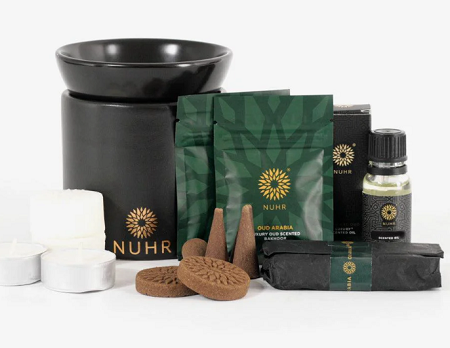
 When it comes to creating a serene atmosphere in our homes, incense burners play a pivotal role. These beautiful pieces not only serve as functional tools for burning incense but also add a touch of elegance to our spaces. From intricate designs to simple, modern styles, there’s an incense burner for every taste and decor.
As we explore the world of incense burners, we’ll uncover their rich history and the various materials and designs that make them unique. Whether we’re looking to enhance our meditation practice or simply enjoy the soothing scents that fill our rooms, understanding the significance of these burners can deepen our appreciation for this ancient tradition. Join us as we delve into the fascinating realm of incense burners and discover how they can elevate our everyday experiences.
Overview of Incense Burners
Incense burners serve a vital role in cultivating a serene atmosphere in our homes. These devices facilitate the effective burning of incense, allowing us to enjoy various aromas that promote relaxation and mindfulness.
Types of Incense Burners
Traditional Stick Burners: Designed primarily for incense sticks, these burners often feature a simple dish to catch ash and are available in various materials such as wood, ceramic, and metal.
Cone Burners: Specifically built for incense cones, these often include a central receptacle where the cone sits and a chimney design that helps disperse the fragrant smoke.
Electric Burners: These modern burners heat essential oils or wax melts, providing a flameless option ideal for those preferring convenience and safety.
Separate Platforms: Many incense burners use platforms or trays made from non-combustible materials to hold the incense in place securely.
Materials Used
Ceramic: Known for its ability to retain heat, ceramic offers a durable and aesthetically pleasing option for various designs.
Metal: Often used for its longevity and stylish appearance, metal incense burners frequently come in intricate designs.
Wood: A traditional choice, wood can add a natural element to our spaces while providing a unique aesthetic.
Cultural Significance
Incense burners convey cultural importance across various societies. In many spiritual traditions, they signify purification and the connection to the divine. Different materials and designs often reflect the beliefs and practices intrinsic to specific cultures.
Benefits of Using Incense Burners
Mental Clarity: Incense can enhance focus during meditation or study, allowing us to clear our minds and promote concentration.
Aromatherapy: The scents produced can alleviate stress and anxiety, supporting overall emotional well-being.
Aesthetic Appeal: Beyond their functional purpose, incense burners contribute visually to our home decor, serving as eye-catching focal points.
By understanding the types, materials, cultural significance, and benefits of incense burners, we can appreciate the depth of this ancient tradition. Embracing incense burning not only enriches our living spaces but also fosters a tranquil atmosphere conducive to relaxation and mindfulness.
Types of Incense Burners
Incense burners come in various forms, each serving unique purposes and appealing to different aesthetics. We categorize them primarily into traditional and modern types.
Traditional Incense Burners
Traditional incense burners often feature intricate designs and are crafted from materials like ceramic, brass, or wood. These burners are commonly used for stick and cone incense.
Stick Burners: These holders typically have a long slot for securely placing the incense sticks upright. Popular designs include ornate trays and handcrafted vessels that showcase cultural artistry.
Cone Burners: Cone burners allow users to place solid cones directly atop a base. The conical shape directs smoke upward, creating an enchanting display. Many designs incorporate decorative motifs that reflect regional heritage.
Censers: Censers are larger traditional burners often used in religious rituals. Made from metal or stone, they usually feature handles and intricate cutouts to allow smoke to escape elegantly.
Modern Incense Burners
Modern incense burners often embrace minimalist aesthetics while prioritising functionality. Typically created from materials like glass, concrete, or metal, these burners cater to contemporary tastes.
Electric Burners: These devices use heat without open flames, allowing for a safer option when burning incense. Many electric burners include programmable settings for ease of use and consistency in fragrance release.
Plug-In Burners: These plug-in models emit scents through a heating element. Users can swap out fragrance packs, providing convenience and versatility.
Wall-Mounted Burners: Space-saving designs provide a modern twist to incense burning. These burners can easily be fixed to walls, allowing for aesthetic integration into home decor without taking up valuable surface space.
Each type of burner presents unique benefits, catering to our diverse needs for ambiance, spiritual practices, and home decoration.
Materials Used in Incense Burners
Various materials contribute to the aesthetics and functionality of incense burners. Each material offers unique qualities that enhance the incense burning experience.
Wood
Wood incense burners create a warm, natural atmosphere. Usual wood types include sandalwood, teak, and bamboo, which not only serve as sturdy bases but also release subtle scents when heated. These burners often feature intricate carvings, showcasing traditional craftsmanship. Wooden designs provide an organic touch to our decor while effectively containing ash and ensuring a steady incense burn.
Metal
Metal incense burners stand out for their durability and modern appeal. Common metals include brass, copper, and stainless steel, which can develop a beautiful patina over time. Metal burners often feature perforated designs, allowing smoke to rise freely while enhancing visual interest. These burners are easy to clean and can accommodate various incense types, making them versatile choices for our spaces.
Ceramic
Ceramic incense burners offer a wide range of styles, colors, and designs, catering to diverse aesthetic preferences. These burners are typically crafted from terracotta, porcelain, or stoneware, providing added weight and stability. Ceramic materials heat evenly, ensuring an optimal burning experience. The artistic possibilities with ceramic allow for unique, decorative pieces that can enhance any room while effectively diffusing fragrance.
Benefits of Using Incense Burners
Using incense burners offers several benefits that enhance our living environments and support our well-being.
Promotes Mental Clarity: Incense burning aids concentration by creating a focused atmosphere. Scents like sandalwood and frankincense stimulate brain activity, improving productivity during tasks like studying or working.
Supports Emotional Well-Being: Aromatherapy through incense helps alleviate stress and anxiety. Scents such as lavender and chamomile evoke calmness, promoting relaxation and emotional balance in our daily lives.
Enhances Home Decor: Incense burners double as decorative pieces, adding aesthetic value to our spaces. Available in diverse designs and materials, they effortlessly complement any interior style while serving a practical purpose.
Encourages Mindfulness: Regular use of incense promotes mindfulness and meditation practices. The act of lighting incense acts as a ritual, signalling a transition to relaxation and introspection.
Improves Air Quality: Certain incense types may purify the air, creating a refreshing atmosphere. Ingredients like sage are known for their cleansing properties, contributing to a healthy indoor environment.
Aids Spiritual Practices: In various cultures, incense burners serve as integral elements during rituals and ceremonies. They invoke spiritual connections, helping us elevate our personal practices through presence and intention.
By integrating incense burners into our routines, we can experience these various benefits, enriching our homes and enhancing mental and emotional wellness.
Caring for Incense Burners
Caring for incense burners ensures they remain functional and visually appealing. We recommend following these maintenance practices to prolong their lifespan.
Cleaning Incense Burners
Remove Residue: After each use, we should remove ash and residue. For ceramic and metal burners, a soft cloth or brush works well. Wooden burners require gentle attention to avoid damaging the surface.
Wash with Mild Soap: Occasionally washing incense burners with mild soap and water helps maintain cleanliness. Avoid abrasive materials that can scratch the surfaces.
Dry Thoroughly: After cleaning, we must ensure burners dry completely. This prevents moisture buildup, which can lead to mold or degradation of materials.
Storage of Incense Burners
Store in a Dry Place: We should always store incense burners in a cool, dry location. High humidity can damage wooden or ceramic materials.
Keep Away from Direct Sunlight: Prolonged exposure to direct sunlight can fade colors or warp certain materials. It’s best to store them in a shaded area.
Avoiding Damage
Handle with Care: We need to handle incense burners gently, especially if made from delicate materials like ceramic.
Avoid Extreme Temperatures: Placing incense burners in areas with extreme temperature changes can cause cracking or warping.
Following these simple guidelines allows us to enjoy our incense burners for years, maintaining their charm and effectiveness while enhancing our home decor.
Conclusion
Embracing incense burners in our homes not only enriches our space but also elevates our daily experiences. Their unique designs and materials allow us to express our personal style while enjoying the myriad benefits they offer.
As we incorporate these beautiful pieces into our routines we foster an atmosphere of tranquillity and mindfulness. Whether through traditional or modern designs we can find the perfect burner to suit our needs and preferences.
By caring for our incense burners we ensure they remain a cherished part of our lives for years to come. Let’s continue to explore the calming effects and cultural significance of incense burning as we create our own serene sanctuaries.