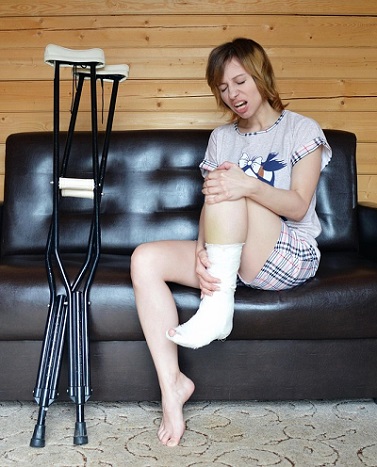
 Most wounds heal on their own with a little care. But when a cut, scrape, or sore becomes painful and lingers, it can quickly turn into something more concerning. A slow-healing wound not only affects comfort but can also signal an underlying issue that requires closer attention. Everyday routines, such as walking or working, may become difficult when pain persists. Ignoring these warning signs can result in delays in treatment and lead to additional complications.
That’s why it’s important to know what steps to take if your wound is not improving. Simple actions at home, combined with timely professional care when needed, can make the difference between steady recovery and prolonged discomfort.
1. Understand Why Healing Can Be Delayed
A wound may struggle to close for many reasons. Poor blood circulation, unmanaged diabetes, repeated friction, or even smoking can interfere with recovery. In some cases, the wound may be exposed to bacteria that slow down the natural repair process. Certain medications or nutritional deficiencies also play a role. Recognizing these factors is the first step to addressing the problem.
If you know the root cause, you can adjust habits or seek targeted help to improve healing. By being aware of what affects recovery, you’re less likely to let a minor issue grow into a serious one.
2. Clean and Protect the Wound Properly
The foundation of wound care is cleanliness. Gently rinse the wound with clean water to remove dirt or debris. Avoid harsh chemicals unless recommended by a healthcare provider, as they may irritate the tissue. Once the area is clean, apply a suitable bandage to shield it from further contamination.
Dressings should be changed regularly, especially if they become wet or dirty. This step prevents bacteria from entering and allows the skin to repair itself in a protected environment. Skipping proper cleaning or neglecting fresh dressings can often delay healing and increase discomfort.
3. Watch for Early Warning Signs
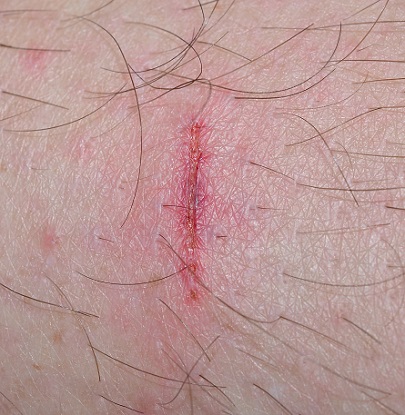
Pay attention to how the wound looks and feels each day. Redness, swelling, or fluid discharge may indicate a developing problem. While some irritation is normal in the early stages, worsening symptoms should raise concern. This is where understanding inflammation vs infection becomes important. Inflammation is a natural response that causes mild swelling and redness, but it usually improves over time. Infection, on the other hand, often brings spreading redness, warmth, pus, and sometimes fever. Knowing the difference helps you decide when to act quickly.
Dermatology practices in regions like Northern Colorado, such as Altitude Dermatology, support patients by assessing wounds and providing treatment when healing slows or the risk of infection increases.
4. Support Healing Through Lifestyle Choices
Healing is not just about the wound itself—it’s also about the body’s overall condition. Eating a balanced diet rich in vitamins, minerals, and protein provides the building blocks for tissue repair. Staying hydrated keeps the skin flexible and supports circulation. Rest is another factor that is often overlooked but vital. The body directs more energy toward healing when it is not under constant physical stress.
For people with conditions such as diabetes, keeping blood sugar levels in check is critical to speed up recovery. Small but consistent lifestyle adjustments can create an environment where wounds close more quickly and with fewer complications.
5. When to Seek Medical Attention
Not every wound can be managed at home. If you experience severe pain, spreading redness, a foul odor, or no sign of improvement after several days, a professional evaluation is necessary. Specialists can perform wound cultures, prescribe antibiotics if an infection is present, or use advanced dressings designed to accelerate wound closure.
In some cases, treatments like debridement, where dead tissue is removed, may be recommended. Leaving these issues untreated risks deeper tissue damage and longer recovery times. Knowing when to transition from home care to medical support is one of the most crucial decisions for safe recovery.
6. The Importance of Timely Action
Delays in addressing wounds can create long-term complications. A simple cut can develop into a stubborn ulcer if ignored. Quick responses not only shorten healing time but also reduce the chance of scarring. Acting early also prevents the spread of bacteria that could enter the bloodstream and cause more serious illness.
By treating wound care as a priority instead of an afterthought, you safeguard both your comfort and overall health. Painful or slow-healing wounds are best approached with patience, daily care, and the awareness that professional help is always an option when progress stalls.
Conclusion
A wound that lingers or worsens should never be brushed aside. By cleaning it thoroughly, monitoring for changes, supporting your health, and knowing when to seek expert care, you can guide it toward a safe recovery. If your wound shows no improvement or becomes painful, take action quickly. Early steps protect both healing and long-term health.