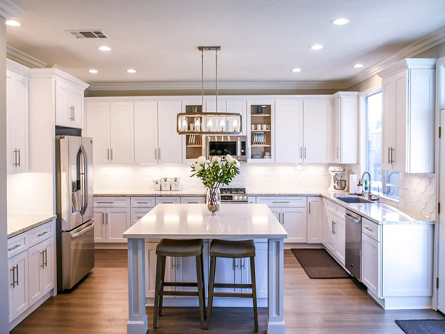
 Ever noticed how a sudden breeze through your Longmont living room feels less like fresh air and more like a reminder that comfort doesn’t come easy in Colorado’s shifting weather? Homes should protect us from the outside world, but rising energy bills, aging appliances, and the constant battle between heat and cold say otherwise. It’s not about perfect décor—it’s about performance rooted in smart upgrades. In this blog, we will share how to make your home feel better and cost less to run.
Windows, Doors, and the Air Between Them
Drafty seals, foggy windows, cheap caulking—that’s where energy goes to die. It doesn’t matter how efficient your heating system is if your home leaks like a sieve. Start by inspecting doors and window frames. Adding weather-stripping or upgrading to double-pane windows improves both comfort and savings. Light-colored curtains or sheer shades also trap heat in winter while letting light in, keeping rooms bright without heating costs.
This is where small efforts pay: even sealing a single leaky window can drop a lingering draft in a deep room. Over time those fixes stack, and by winter you’re not chasing heat, you’re storing it.
Insulation, the Invisible Investment
Insulation is one of those quiet upgrades that won’t show up in before-and-after photos, but early fall routines should treat walls, attic, and floors like gold. Winter heat escapes. Summer heat creeps in. Addressing this makes your HVAC system work less, increases energy efficiency, and preserves indoor comfort without changing thermostat settings.
Wisdom says test visually and with your hands—cold walls, warm ceilings, or a surprise chill near the floor should flag what to insulate next.
Upgrade Strategically, Start With What You See
When renovations begin, surface fixes often come first—new paint, updated lighting, trendier hardware. But real improvements begin where they hardly show, especially on top: the roof. Taking on major upgrades? Calling in the right team makes the difference between lasting results and a headache down the road. Working with an experienced team from a Longmont roofing company means investing in more than surface-level repairs. It’s a strategic move toward better insulation, smarter ventilation, and lasting durability. A qualified local crew understands how altitude, sun exposure, and ice damming affect structural integrity. The right roof doesn’t just keep water out—it regulates airflow, reduces energy loss, and helps your entire home perform better year-round.
Heating That Listens, Not Reacts
Across the country, many households are finally treating their heating systems like partners, not last resorts. Smart thermostats, when used well, adjust to your real-life patterns—cooling the house while you’re at work, then warming it gently well before you reach home. Daylight savings isn’t mandatory stress; smart systems cancel it. Nighttime chills don’t get blamed on the wrong button.
Feedback matters. Monitor usage reports—see when you’re wasting heating, or whether rooms are uneven. True comfort isn’t the illusion of control. It’s systems that learn from you.
Beyond the Furnace, Think Heat Recovery
An often overlooked gem of efficiency is reclaiming what we throw away. Systems such as heat recovery ventilation (HRV) or simple waste-water heat exchangers recapture energy while refreshing stale air. That wasted steam from your shower or bath can warm incoming cold water or filter into exchanges that reduce energy draw. For comfort and reduction of bills, this approach brings efficiency back without theatrics.
Lighting, Daylight, and Internal Lightscaping
Natural light feels better than bulbs, but space designs rarely treat windows as assets. Where possible, add mirrors or lighter wall tones to bounce daylight deeper. In rows of overhead bulbs, switch to layered lighting—table lamps for warmth, floor lights for evening ambiance, task spots for reading or cooking. Pair this with LEDs that shift time of day. Cool mornings shift to soft evenings with the flick of a switch, not the flip of your energy bill.
Comfort Is a Daily Habit, Not a One-Time Fix
People tend to think home improvement happens in bursts—a big kitchen remodel, a fresh roof install, a new HVAC system. In reality, lasting comfort grows out of smaller decisions made consistently. Something as minor as adjusting door sweeps or swapping out aging weather seals saves energy and reduces outside noise. Replacing outdated thermostats with programmable ones gives you better control and helps trim utility costs month over month. Even organizing storage to allow vents to breathe can improve airflow and temperature balance throughout the home.
The key is to build habits around inspection and prevention rather than crisis response. That mindset shift—from reactive to proactive—defines homeowners who stay ahead of repair costs and avoid energy spikes. Just as you wouldn’t wait for a car engine to fail before changing the oil, your home deserves the same routine attention.
And in today’s climate—financially and environmentally—homes that adapt intelligently hold value longer. They’re quieter, cheaper to run, and more enjoyable to live in every single day. It’s not about chasing a Pinterest-perfect look. It’s about creating a space that works in every season, for every family member, without making you sweat the details—unless you want to.
Outdoor Impact, Indoor Return
Landscaping isn’t just curb appeal; it’s energy strategy. Shade trees cool homes. Wind barriers protect from blunt winter breezes. Planting smart helps reduce heating through passive climate design. Stormwater landscaping channels runoff away from foundations, protecting from moisture that makes HVAC systems work harder by stressing basements and air handlers.
Homes grounded in context feel leaner, quieter, and more resilient.
Routine Maintenance Isn’t Boring
True comfort happens long before something breaks. HVAC filters replaced on schedule, quarterly smoke alarm checks, resealing window gaps before winter, gutter cleanouts heading into spring—all build consistency. When seasons shift, systems respond instead of protesting.
Maintenance buys confidence. You stop reacting to problems; you anticipate them with routine care.
A truly comfortable, efficient home blends visible improvements with invisible strategy. It treats surfaces and systems equally. It respects energy as both cost and climate. Upgrades don’t need to be flashy; they need purpose. A roof that lasts, insulation that holds heat, lighting that changes with mood, systems that save what we waste. That is the kind of home that supports rest, adaptability, and savings—today and long after.