Do you suffer from joint pain, recurring headaches, or chronic inflammation? Your plate can become your best ally. Certain foods possess remarkable anti-inflammatory properties, capable of naturally relieving your pain. Turmeric, ginger, leafy greens, fatty fish… these nutritional treasures transform into real remedies when properly prepared and consumed regularly. Let’s discover together how to cook these therapeutic foods to regain comfort and well-being in your daily life.
What are the best anti-inflammatory foods?
Turmeric tops the list of anti-inflammatory superfoods. This golden spice contains curcumin, an active compound that rivals certain medications in reducing inflammation. To maximize its absorption, always combine turmeric with black pepper and a fat source like olive oil. A simple dash of pepper multiplies curcumin absorption by your body by 20 times.
Fresh ginger far surpasses its powdered version in fighting inflammation. Its active compounds, gingerols, soothe joint and digestive pain. Choose firm roots with smooth skin, a sign of optimal freshness. To release all its benefits, grate ginger finely just before use. This meticulous preparation requires suitable tools: an artisanal wooden folding knife allows precise cutting of fresh roots while preserving their active properties.
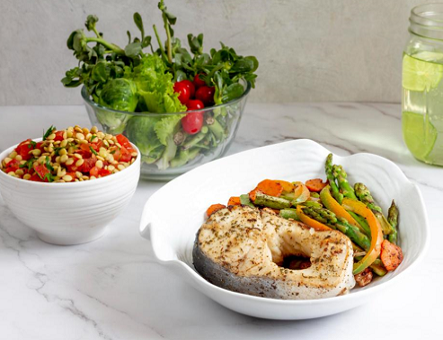
Fatty fish like salmon, sardines, and mackerel are packed with omega-3s, essential fatty acids with powerful anti-inflammatory properties. These marine fats reduce the production of inflammatory molecules in your body. Favor small fish, less contaminated by heavy metals, and consume them at least twice a week.
Dark leafy vegetables concentrate exceptional anti-inflammatory antioxidants. Spinach, kale, broccoli… these vegetables neutralize free radicals responsible for oxidative stress. The more intense the color, the higher the concentration of beneficial compounds. Vary colors on your plate to benefit from a wide spectrum of protective molecules.
How do you prepare a daily anti-inflammatory drink?
This golden drink with soothing virtues will become your morning wellness ritual. It combines the best natural anti-inflammatories in a delicious and comforting preparation.
Ingredients for 2 people:
400 ml unsweetened almond milk
1 teaspoon turmeric powder
1 teaspoon fresh grated ginger
1 pinch freshly ground black pepper
1 teaspoon manuka honey
1 pinch Ceylon cinnamon
1 teaspoon virgin coconut oil
Preparation:
Gently heat the almond milk in a saucepan without boiling it. Meanwhile, finely grate the fresh ginger to release its essential oils. Add all ingredients to the warm milk and whisk vigorously for 2 minutes. Let infuse for 5 minutes before straining and serving.
This drink keeps for 48 hours in the refrigerator and can be gently reheated.
The benefits are felt from the first week of regular consumption. Turmeric and ginger work synergistically to reduce inflammatory markers in your blood. Cinnamon naturally regulates blood sugar, avoiding pro-inflammatory insulin spikes. Manuka honey brings its unique antibacterial properties.
What therapeutic soup helps joint pain?
This soup concentrates the virtues of anti-inflammatory vegetables in a comforting broth. It makes a complete meal particularly beneficial during painful flare-ups.
Ingredients for 4 people:
1 liter organic vegetable broth
200 g broccoli cut into small florets
150 g fresh spinach, stems removed
1 medium zucchini (about 200 g)
2 crushed garlic cloves
3 cm fresh ginger root
1 tablespoon extra-virgin olive oil
1 teaspoon turmeric
Juice of 1/2 lemon
Sea salt and black pepper
2 tablespoons sunflower seeds
Preparation:
Finely slice the garlic and grate the ginger. In a large saucepan, sauté the garlic and ginger in olive oil for 2 minutes. Add the diced zucchini and cook for 5 minutes. Pour in the broth, bring to a boil then add the broccoli. Simmer for 8 minutes before incorporating the spinach and turmeric. Cook for another 3 minutes then partially blend to achieve a smooth texture. Adjust seasoning and finish with lemon juice and sunflower seeds.
This soup can be consumed hot or cold according to your preferences. The leafy greens provide anti-inflammatory folates, while garlic strengthens your immune defenses. Sunflower seeds complete the vitamin E intake, a major antioxidant.
How do you cook salmon with anti-inflammatory spices?
This flavorful dish transforms an ordinary meal into culinary therapy. The spices enhance the fish while multiplying its health benefits.
Ingredients for 4 people:
4 salmon fillets of 150 g each
2 teaspoons turmeric
1 teaspoon ginger powder
1 teaspoon ground coriander
1/2 teaspoon cinnamon
2 tablespoons olive oil
2 lemons (juice and zest)
2 minced garlic cloves
1 bunch fresh cilantro
Sea salt flakes and black pepper
Preparation:
Mix all spices in a bowl with olive oil, lemon juice, and minced garlic. This marinade should rest for 15 minutes for flavors to develop. Generously brush salmon fillets with this mixture and marinate for 30 minutes in the refrigerator.
Preheat your oven to 400°F (200°C).
Place fillets on a baking sheet lined with parchment paper and bake for 12-15 minutes depending on thickness. The flesh should remain slightly pink in the center. Sprinkle with fresh cilantro and lemon zest before serving.
The salmon’s omega-3s remain intact thanks to this gentle cooking. Turmeric penetrates the fish flesh, multiplying anti-inflammatory benefits. This recipe pairs perfectly with steamed green vegetables or a quinoa salad with fresh herbs.
What anti-inflammatory dessert to finish sweetly?
This red berry crumble combines taste pleasure with therapeutic benefits. The antioxidants in red berries effectively combat inflammation.
Ingredients for 6 people:
400 g mixed red berries (blueberries, raspberries, blackberries)
100 g rolled oats
50 g sliced almonds
3 tablespoons melted coconut oil
2 tablespoons acacia honey
1 teaspoon cinnamon
1 teaspoon ginger powder
Zest of 1 orange
1 pinch sea salt
Preparation:
Preheat your oven to 350°F (180°C). Distribute red berries in a lightly oiled baking dish.
In a bowl, mix oats, almonds, spices, and salt. Add melted coconut oil and honey, then mix until you get a crumbly dough. Distribute this preparation over the fruit and bake for 25-30 minutes until the top is golden. Let cool before serving with fresh orange zest.
The anthocyanins in red berries neutralize free radicals responsible for chronic inflammation. Oats provide soluble fiber that nourishes your intestinal microbiota, thus strengthening your immune system. This indulgent dessert proves that healthy eating can rhyme with pleasure.
How do you integrate these recipes into your routine?
The effectiveness of anti-inflammatory eating relies on regularity. Start by integrating one recipe per week into your cooking habits. This gentle progression allows your palate to adapt to new flavors while avoiding digestive upheavals.
Prepare your anti-inflammatory spices in advance in personalized blends. A turmeric-ginger-pepper mixture keeps for six months in an airtight jar. This preparation facilitates daily incorporation of these superfoods into your usual dishes. Sprinkle this blend on your grilled vegetables, soups, or marinades.
Ingredient quality directly influences the therapeutic effectiveness of your dishes. Favor fresh spices over industrial versions, often depleted of active principles. Fresh herbs from the garden or market contain up to 10 times more antioxidants than their dried equivalents.
Keep a food journal to observe the effects of these changes on your pain. Note your inflammation level, energy, and sleep. These observations will allow you to adjust your diet according to your specific needs and measure the progress achieved.