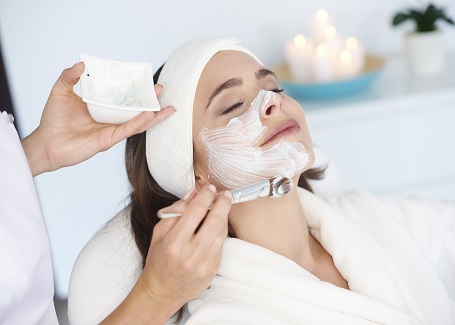
 We all desire healthier skin—but not everyone is willing or able to commit time and patience to complex regimens. That’s where chemical peels enter the picture. They’ve been around for decades, and with good reason. They’re easy, reliable, and produce noticeable results with little to no downtime.
No matter if you reside in a hot, arid town or a wet, coastal region, your skin is subject to environmental stress on a daily basis. Over time, this expresses itself as dullness, texture alteration, and mottled tone. Chemical peels fight these issues straight on by eliminating the surface layers of dead or damaged epidermis.
When performed correctly and professionally, a peel can leave skin looking and feeling its best in just a few days. Below are five ways that these treatments safely change your skin and enhance inner radiance.
1. Smoothes Out Rough Spots and Evens the Texture
Smooth skin does not always equal even skin tone. Dead skin cells accumulate to form a rough texture that masks the natural glow of your skin. This accumulation clogs products so that they are unable to function, rendering moisturizers or serums useless.
Chemical peels make it possible. The treatment dissolves the surface layer, and the skin regenerates itself. When the top layer peels off, the skin feels significantly softer. It is more smoothed out in texture, and a person is able to wear makeup or be barefaced without issue.
This is not a short-term fix. By providing enough time between applications and proper maintenance, peels can keep skin smooth without having to use aggressive exfoliating or scrubbing.
2. Helps Fade Dark Spots and Discoloration
Sun damage doesn’t always show up immediately. Over time, those hours outdoors—even with sunscreen—can leave uneven patches, especially around the cheeks, forehead, and upper lip. For some, post-acne marks add to the mix, making the skin tone appear blotchy.
This is where chemical peels step in. They help reduce visible pigment by targeting the upper skin layers where discoloration lives. With repeated sessions, areas of darkness become lighter and blend better with the surrounding skin.
This makes peels a solid option for people looking to brighten their overall complexion. Clinics offering chemical peels in Webster, for example, often use tailored treatments like the VI Peel to address these specific concerns. These are designed to treat pigment issues safely and with minimal downtime.
3. Reduces Fine Lines and Early Wrinkles
The first signs of aging are actually fine lines—those little wrinkles around the forehead, mouth, and eyes. They do not deserve brutal treatment immediately. Chemical peeling provides a more discreet method of refreshing skin and minimizing its appearance.
Through activation of the regeneration process of the skin, peels relax tiny lines. They also enhance collagen performance, which tightens skin and makes it flexible. That helps to maintain skin resiliency in the long term.
Although deeper wrinkles require more sophisticated solutions, peels are an effective step towards a youthful appearance. They provide the skin with a rested, even texture without making it appear over-treated.
4. Removes Congestion and Promotes Clearer Skin
Breakouts and clogged pores don’t occur only in the teenage years. Most adults experience oily areas, blackheads, or minor breakouts until they are in their 30s and 40s.
Chemical peels help here, too. Light acids used in the treatment dissolve the buildup inside pores. This removes surface debris, reduces oil, and discourages future breakouts. The result? Skin that looks cleaner and feels lighter.
For those who have tried product after product with little success, a professional peel offers a reset. The skin gets a fresh start—one that’s often easier to maintain with the right follow-up care.
5. Strengthens the Impact of Other Treatments
A second advantage of chemical peels is how they work in conjunction with other skin treatments. Used in conjunction with facials, microneedling, or light laser treatments, peels precondition the skin by clearing interference. This enables other therapies to penetrate more quickly and efficiently.
For instance, a light peel prior to a microneedling treatment will mean that the needles will be able to penetrate cleaner layers of skin. A follow-up peel after a laser treatment will revitalize the surface skin while also minimizing inflammation.
This multi-step process—performed under professional guidance—is time-saving and yields improved results. Clinics that provide customized plans oftentimes utilize chemical peels to design an evenly distributed schedule without overburdening the skin.
Conclusion
Chemical peels continue to be among the most advantageous methods for enhancing skin texture, brightness, and tone. They’re trouble-free, time-saving, and appropriate for nearly any problem. With experts handling them, the outcome is easy to see.