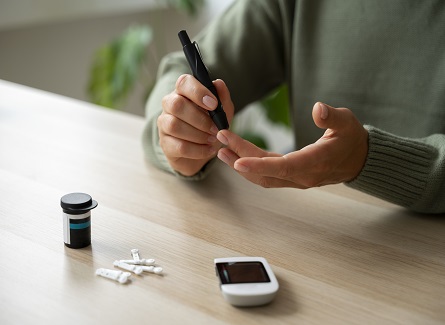
 Managing diabetes can often feel like clocking into a job that never ends. There are numbers to track, doses to remember, meals to plan, and health data to understand, all on top of your regular day-to-day responsibilities. Even on “normal” days, it can be exhausting to keep up with everything your body needs.
The good news? You don’t have to do it all manually anymore. Modern tools are starting to ease that load. With smarter tech, easier access to care, and more connected devices, they reduce stress and give you a little mental breathing room. Wondering what’s actually worth trying? Let’s walk through five such smart tools that help make diabetes feel a little less like work and a lot more manageable.
Continue reading!
1. Continuous Glucose Monitors (CGMs)
If there’s one tool that’s made the biggest impact on day-to-day diabetes management, it’s the CGMs (Continuous glucose monitors). These small, wearable devices track your glucose around the clock and send updates directly to your phone or receiver. Yes, you get real-time data and trend insights, and it all happens automatically.
But it doesn’t stop there. Some systems are packed with features that make the process even easier. The Dexcom CGM, for example, can alert you before your levels go too high or too low and even allows you to ask Siri for updates on the go. It’s like having a quiet assistant in the background, always keeping an eye on things.
And the best part? You don’t need to go through a complicated process to get started. Many trusted online retail platforms now deliver these systems right to your door. That means fewer pharmacy runs and more energy for the rest of your life.
2. Smart Insulin Pens
When it comes to simplifying insulin management, smart pens are one of the most effective upgrades out there. These tools track each dose automatically and save that info in a connected app. They’re built to reduce errors, remove the mental math, and help you stay consistent.
You’ll no longer wonder, “Did I already take it?” or try to remember what time your last shot was. The app keeps your history clean and clear, so you can focus on the day, not your dosing schedule. Plus, many of these pens offer reminders, dose calculations, and even alerts if you miss one.
Over time, that kind of support helps reduce burnout and avoid mistakes. It’s like adding a smart helper to your routine: one that actually understands your schedule.
3. Smart Scales and Body Monitors
If you’re looking for a tool that helps you stay in tune with your body beyond glucose levels, smart scales are worth considering. These devices do more than just show weight. They give insights into body fat, hydration, muscle mass, and more. That additional level of feedback can be particularly useful for diabetes management.
It’s because weight shift and water retention are prone to influencing the manner in which your body will react to insulin. What makes them practical is the way they sync with apps. You can track changes over time, spot trends, and even connect them with other health tools you’re already using. It turns a quick morning habit into something that quietly supports your overall health plan.
4. Food and Nutrition Trackers
One of the most challenging parts of managing diabetes is staying on top of what you’re eating and, more importantly, how it affects your glucose levels. But with modern nutrition apps, it’s finally easier to log what you eat, understand what’s in it, and see how it impacts your numbers.
Barcode scanners let you scan packaged foods in seconds, and searchable databases help you log meals without digging through nutrition labels. No more flipping back and forth between apps and charts just to check if lunch is “safe.”
Over time, you get better at noticing patterns. You’ll start to see which meals keep you stable and which ones spike your levels. That knowledge adds confidence and helps you build food plans that support your health without sacrificing flavor or convenience.
5. Virtual Diabetes Coaching
Virtual coaching tools have become a valuable support system. They connect you with certified coaches, dietitians, and diabetes educators who help guide your day-to-day care: all from your phone or laptop.
It’s not just about the big stuff like changing meds or planning meals. Coaches can help you navigate smaller things, too. This can be reading labels, finding low-carb swaps, or dealing with a stressful week that’s messing with your numbers. And, when managing such a critical disease, that kind of support matters.
The best part is that it fits around your schedule. You don’t have to wait weeks for appointments or take time off work. Help is available when you need it, in a way that feels personal and encouraging.
Final Thoughts
Managing diabetes is still a big responsibility, but it doesn’t have to take over your life. The right tools give you back time, energy, and a little breathing room. Start with the ones that fit your routine best, and let them do some of the heavy lifting. You deserve care that works for your life, not the other way around.