Clear vision depends on more than just your glasses or contact lens prescription. The cornea, the transparent outer layer of the eye, plays a key role in how well you see. It focuses light and shields the inner eye from dust, bacteria, and injury. If it weakens or becomes irregular, your vision suffers.
Still, many people don’t think about corneal health until a problem appears. But by then, the damage may already be in progress. Whether you live in San Francisco or anywhere else, long-term corneal health requires steady care. It’s not complicated—but it does take awareness.
So, here are some steps that will help you focus on protecting your cornea today so you can avoid preventable problems in the future. Start with what’s simple and stay consistent over time.
Let’s get started!
1. Don’t Rub Your Eyes—Even When They Itch
Rubbing your eyes might seem harmless, but it creates pressure across the cornea. That pressure, especially if repeated, can weaken the corneal shape. It may stretch or thin the tissue without you noticing.
People often rub their eyes when tired, during allergy season, or out of habit. Instead of rubbing, use cool compresses or preservative-free artificial tears. These help soothe irritation without putting pressure on the surface.
Over time, rubbing can change the structure of the cornea. For people with underlying conditions like keratoconus, it can speed up changes that lead to vision problems. Avoiding eye rubbing is one of the easiest ways to protect your cornea every single day.
2. Protect Your Eyes from UV Exposure
Ultraviolet light can cause slow but steady damage to the cornea. You don’t have to be in the sun all day for it to have an effect. Even short bursts of UV exposure can build up over time.
The solution is simple: wear sunglasses that block 100% UVA and UVB light. Choose a pair with wraparound coverage, especially if you spend time outdoors regularly. Adding a wide-brimmed hat helps, too.
UV protection doesn’t just reduce glare. It also protects the cornea’s surface and helps prevent long-term weakening. Making sunglasses a daily habit—just like sunscreen—can make a real difference over time.
3. Know When Strengthening Treatment Is the Right Step
Sometimes, the cornea begins to weaken in ways that daily habits can’t correct. That’s where medical treatment comes in. A procedure called cross-linking is designed to stop this weakening by making the cornea more stable.
That is why experts performing corneal cross-linking San Francisco often recommend early evaluation when signs of thinning or shape change appear. By reinforcing the cornea’s structure, this treatment can help preserve clarity and reduce the need for more complex procedures later. It’s a safe, in-office option for patients who qualify and want to protect their long-term visual health.
4. Keep Contact Lens Habits Clean and Consistent
Contact lenses sit directly on the cornea, so how you handle them matters. Improper care can lead to infections, irritation, or scarring. All of these can change the surface of the eye permanently.
Always wash your hands before touching your lenses. Use only the cleaning solution recommended for your lens type. Don’t sleep in lenses unless your doctor says it’s safe. And never use water to rinse them.
Even if your lenses feel fine, replace them on time. Pushing their wear limit increases the risk of problems. Clean habits protect not just your eyes but the clarity and health of your cornea itself.
5. Schedule Regular Eye Exams—Even Without Symptoms
Your cornea can change shape or thickness long before you notice vision problems. That’s why yearly eye exams matter. They catch early changes that you can’t feel.
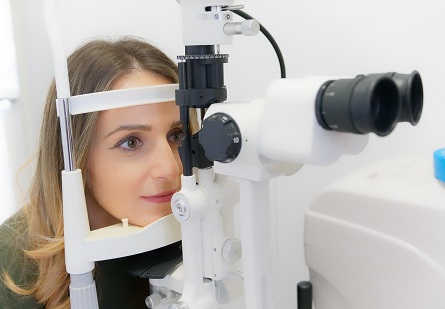
During a routine check, your doctor might use tools like topography or pachymetry to scan the cornea. These painless tests show if the surface is stable, thinning, or shifting.
Regular monitoring helps your doctor spot patterns early. That way, if your cornea starts changing, you can take action before your vision gets worse. Early care often leads to better outcomes, especially for progressive conditions.
6. Keep Your Eyes Moist and Rested
Dryness may not seem serious, but it can affect the surface of your eye. A dry cornea is more prone to irritation and damage. That’s why hydration and blinking habits matter.
Drink water throughout the day. If your eyes feel dry, use lubricating drops without preservatives. Follow screen time with short breaks. Look away every 20 minutes and blink slowly a few times.
Also, avoid fans blowing directly at your face while sleeping or working. Small steps like these help keep the cornea smooth and comfortable. When it stays moist, it also heals better and resists damage from daily strain.
Conclusion
Your cornea does its job quietly every day, but it needs your help to stay strong. With steady care, protective habits, and attention when things change, you can protect your vision for the long run.
Start simple. Make a few smart changes today. They’ll help your eyes stay clear and focused for whatever tomorrow brings.