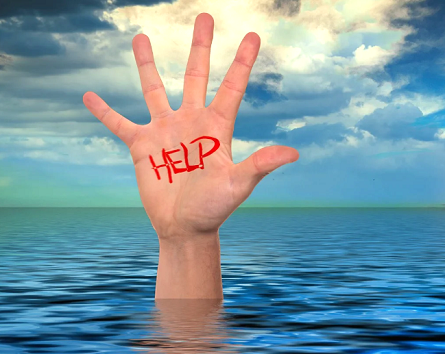
 It only takes a few seconds for everything to change. One slip, one quiet moment too long in the water, and suddenly your world is flipped upside down. If you’ve just experienced a near-drowning incident with someone you love, your emotions might be all over the place. Relief, fear, guilt, and shock can come in waves, just like the water that caused it.
Right now, what you need most is a clear mind and the right support. There’s no perfect roadmap for this situation, but there are important steps that can help protect your loved one’s health and your peace of mind.
This article will walk you through those first hours and days so you can feel more prepared, more steady, and less alone.
Get Immediate Medical Attention
Even if the person seems fine after being pulled from the water, always go straight to the emergency room. Don’t wait for symptoms because near-drowning can cause secondary complications hours later. And if there is water in the lungs it can lead to inflammation or infection. In some cases, oxygen loss may affect the brain, even if the person was only submerged briefly.
Doctors may have to conduct tests, watch for breathing, and check neurological status. It’s safer to err on the side of caution than risk subtle damage. All the effects of a near-drowning may not appear immediately, particularly in young children.
Understand Your Legal Options
Depending on where and how the accident happened, there could be issues with the law. Was the place meant to be monitored? Was faulty equipment used? Was your child under the supervision of someone who did not offer proper protection?
You don’t need to plunge into a lawsuit right away. However, you might want to consult a drowning accident lawyer in order to know your rights and whether there was negligence. These experts can assist you in investigating the facts in a relaxed and understandable manner. If another party’s actions caused the accident, legal assistance could assist you in seeking justice and avoiding further accidents.
This is particularly true when the event occurs at a school, camp, waterpark, or apartment complex. These venues tend to have safety regulations and rules they are required to abide by. An attorney can assist you in determining whether those standards were violated and what you should do next.
Stay Calm and Ask Questions
Hospitals can be overwhelming, especially in an emergency. Try to stay calm. Ask the medical team what to watch for once you go home. Get clear instructions on medications, breathing support if needed, and signs of delayed symptoms. Write things down or record them on your phone if you’re too shaken to remember them all.
It’s also okay to ask for someone to walk you through what happened physically and what the recovery may look like. Understanding that can help ease some of the helplessness you might feel.
Keep Watch After Discharge
Once your loved one is home, don’t assume the danger has passed. Instead, watch their behavior closely. Are they sleeping more than usual? Struggling to breathe? Acting unusually tired, irritable, or confused? If anything feels off, please contact your doctor or return to the hospital. Post-immersion complications like “dry drowning” or delayed respiratory issues, while rare, are possible.
At home, try to maintain a calm and safe environment. Avoid crowded outings or overstimulation. Give their body and brain time to rest and heal.
Talk to the People Who Were There
If someone else was present during the incident, such as a lifeguard, babysitter, or another adult, speak with them. Try to get a clear picture of what happened leading up to the event. Where was the supervision? How long were they underwater? Was there a barrier or safety equipment missing?
This step is not about blame. Rather, it’s about understanding the circumstances. That context may be important later if you need to take legal or protective steps, especially when the incident occurred in a public or managed space.
Get Emotional Support for Everyone
A near-drowning is traumatic for everyone involved. It’s not just the person pulled from the water who may struggle. You might find yourself replaying the moment, battling guilt, or struggling to sleep. Children who experience this can also carry long-term emotional scars, even if they don’t show it right away.
To help cope, talk to a mental health professional familiar with trauma. It’s best to find someone who has experience working with families or young kids. Therapy doesn’t have to be long-term. Sometimes, a few sessions are enough to process what happened and start moving forward.
Wrapping It Up
Healing from a near-drowning event doesn’t happen all at once. It comes in layers. Physical recovery may be one part. Processing emotions is another. And slowly, things begin to feel steadier. What matters most is that you take things one step at a time. Get help when you need it. Stay present. And allow yourself to move forward without rushing.