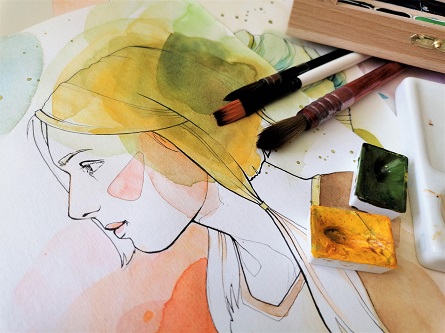
 Every painting takes more than a brush and some paint to become a work of art. The most skilled painters employ various techniques to achieve a high-quality, aesthetically pleasing, and durable finish. These techniques, developed over decades of practice, guarantee that each piece resonates deeply with the viewer. This article examines the methods that make these artists unique and how they accomplish such incredible results.
Understanding the Medium
The selection of paint is the basis of any outstanding painting. Various paints have distinctive properties, including oils, acrylics, and watercolors. Oils provide a vibrant colour with blending capabilities, whereas acrylics are fast-drying and flexible. Watercolors provide a translucent quality. Professional painters are well-versed in their tools and adept at using their unique properties. Skilled painters in North Shore Auckland are often hired for residential and commercial projects.
Surface Preparation
To apply a smooth finish, you need a fantastic surface. Humans work as artists do, and they often prime their canvas or paper. Such preparation is essential for the paint to adhere correctly and to prevent the paint from absorbing into the material. There are many types of primers, and each can impact texture and tone. Painters know a perfectly prepped surface is the best foundation for building their masterpieces.
Layering and Glazing
These methods include layering and glazing, which create depth and richness. Layering involves applying multiple layers of paint on top of each other and allowing each coat to dry before adding the next. The artist’s technique brings out strong and rich colors. Glazing puts a thin, transparent coat over dry layers. This technique can change tone and create luminosity, an excellent way to add depth to a painting.
Brushwork Techniques
The brush and the way you use it are among the most important factors that influence the final work. Based on their purpose, artists choose brushes in any shape, size, or material. Stylistic processes like stippling, scumbling, and dry brushing create texture and detail. Stippling is dabbing with the brush, and scumbling is dry brushing to break up colors. These methods enable artists to showcase their personal touch.
Color Theory and Mixing
To achieve harmony and contrast in their images, painters must master color theory. They know how colors complement each other and how to mix them to create the desired color. Typically working with a minimal palette, they explore a spectrum while keeping things coherent. Such familiarity empowers painters to use colors to communicate effectively and express moods and emotions.
Attention to Detail
The best painters pay attention to the smallest of details. They meticulously attend to every element, from the smallest highlight to subtle shadows. Achieving such precision requires patience and skill. By concentrating on these elements, artists dedicate their time to enhancing their craft, and each component contributes to the overall momentum of the larger picture.
Balancing Light and Shadow
The interaction of light with the dark provides it with substance and reality. You observe how light strikes things, and you render volume with shade. That equilibrium can breathe life into an image, rendering it into a dark, atmospheric 3D scene. The painter’s use of light and shadow draws the viewer’s eye, especially when the painting is designed to guide the viewer through the story.
Using Texture to Enhance
Texture introduces an additional layer of intrigue. Some artists apply thick layers of paint to create a texture that can be felt. Others add materials such as sand or fabric. These textures can evoke different sensations in viewers, encouraging them to approach the artwork more closely. Texture adds depth to a visual, but the application must be intentional.
Embracing Mistakes
Fine painters see error as a licence to create. Instead of viewing mistakes as failures, they adjust and use them in their work. This flexibility can lead to serendipitous moments that will enrich your piece. Mistakes are part of the process, and the only way forward is to embrace them as a necessity for growth and innovation, often driving artists in new directions.
Conclusion
Getting a high-quality finish in terms of painting is a fine marriage of technical and creative skills. Therefore, great painters use various methods, each of which will add to the finished canvas. Whether learning the medium and preparing surfaces or perfecting color and texture, these artists produce timeless and imaginative works. They are still pushing the limits of what they can accomplish by accepting learning and owning their mistakes. It can inspire new and seasoned artists in their journeys.