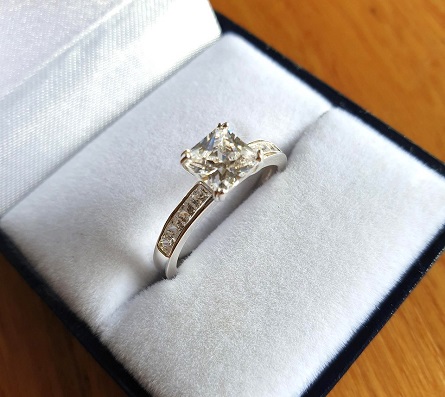
 A diamond appraisal involves evaluating the 4Cs—carat weight, cut, color, and clarity—along with market trends and certifications. It’s typically done for insurance, resale, or estate purposes. Understanding the process helps sellers make informed decisions.
Consider working with a trusted diamond buyer such as Diamond Banc for accurate value and a smooth sale.
Why Appraise Diamonds?
Whenever a diamond is appraised, its actual worth is established by considering its market value and how rare it is. Other than assigning a price, appraisals ensure the investments are secure and allow arranging insurance, selling your assets, and making estate plans.
Insurance Needs
A professional appraisal provides the full replacement value of a diamond for insurance purposes. Without an accurate valuation, policyholders risk being underinsured and may not receive adequate compensation in the event of loss, theft, or damage. Conversely, over-insuring a diamond can result in unnecessarily high premiums.
A certified, third-party appraisal includes detailed information on the diamond’s cut, clarity, carat weight, and color, key factors that influence value. It’s recommended to update appraisals every three to five years to reflect market fluctuations and ensure insurance coverage remains aligned with the diamond’s current value.
Resale Clarity
In selling a diamond, its fair market value is something to be known. An official valuation provided by a qualified appraiser makes things transparent, which will make the buyer confident. Since serious buyers pay premiums for documented authenticity, appraised diamonds tend to have higher resale prices.
An appraisal also serves as a reliable benchmark during negotiations, helping sellers evaluate offers and make informed decisions.
Estate Planning
Appraisals are valuable tools in estate planning, helping assign a clear monetary value to diamond assets. This simplifies the process of dividing inheritance, clarifying asset distribution among beneficiaries.
A written appraisal provides an official record of the diamond’s description and value, which is useful for future asset management, legal documentation, or liquidation.
Diamond Appraisal Steps
The diamond appraisal process follows a systematic approach to assess diamond quality and determine its overall value. Typically performed by a professional appraiser or AGS-certified gemologist, it ensures reliable and consistent results through the following steps:
Initial Review
The testing begins with a visual inspection to identify any apparent flaws or characteristic features and to note the jewelry style—a ring, pendant, or earring. This initial test paves the way for more thorough testing.
Gemological Tests
Appraisers examine what makes each diamond unique using specialized tools such as loupes, microscopes, and spectrometers. This process helps confirm that the diamond is natural and checks for the presence of any additional metals or stones in the setting. Tests like fluorescence analysis and refractive index measurement further verify the diamond’s authenticity and quality.
Diamond Grading
The stone is graded according to the 4Cs—cut, clarity, color, and carat weight—on industry grading scales like the GIA scale. Grades form the foundation of the ultimate valuation.
Authenticity Check
The appraisal verifies whether the diamond is natural or treated and checks for any enhancements. This process entails matching the diamond against any certification documents that the owner may have provided.
Setting Analysis
The evaluation includes a review of the jewelry’s setting, such as the materials used, its quality, and present condition. One example is a band of platinum adorned with engravings or stones, which may add a lot to the jewelry’s worth.
Value Calculation
The final value considers grading results alongside current market trends, rarity, demand, and setting quality to produce an accurate market valuation.
Report Creation
A detailed appraisal report compiles descriptions, grading results, and the calculated value. This report is essential for insurance purposes and reflects the diamond’s true market value.
Choosing the Right Appraiser
Choosing the right appraiser is essential for an accurate and trustworthy diamond ring appraisal. A qualified appraiser should have the necessary credentials and relevant experience and remain independent throughout the process.
Credentials Matter
Credentials from respected institutions such as the Gemological Institute of America (GIA) or the International Gemological Institute (IGI) indicate a high level of expertise. Membership in organizations like the National Association of Jewelry Appraisers (NAJA) also demonstrates adherence to industry standards and ethical practices.
Experience Counts
An experienced appraiser has in-depth knowledge of diamond characteristics and current market trends. This expertise is especially valuable when evaluating antique or unique diamonds, where subtle details can significantly influence value.
Making the Most of Your Diamond Appraisal
Getting a diamond appraised is more than a routine step—it’s a strategic decision that safeguards your investment and supports your financial goals. Whether you’re preparing to insure, sell, or pass down your diamond, working with a skilled, certified appraiser ensures the process is handled with precision and integrity.
By taking this step seriously, you protect not only the stone itself but also the peace of mind that comes with knowing its value is clearly established and professionally documented!