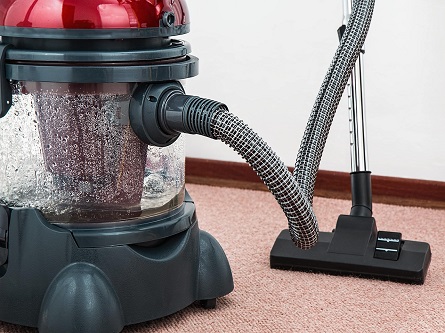
 Carpet cleaning is necessary to maintain a professional working environment. Companies are always looking for ways to keep carpets clean and tidy. This post discusses several strategies you may want to consider for carpet cleaning at your company.
Vacuuming: The First Step
Vacuuming is a common way to keep carpets clean. Regular vacuuming is necessary for consistent results. Surface dirt is removed so particles do not embed deep into the carpet’s fibres. When done regularly, this is helpful as it extends the life of your carpets. Cleaning specific areas that are frequently used than others is necessary for quality cleaning. Professional carpet cleaning in Sydney offers several options to companies of different sizes.
Steam Cleaning: Deep Cleaning Power
Steam cleaning, or hot water extraction, is a popular method for deep cleaning. This process uses a machine that injects hot water with a detergent and/or an emulsifier into the carpet. This process helps to detach dirt and debris, loosening it for easier extraction. This method eliminates allergens and bacteria, leaving the indoor area healthier.
Dry Carpet Cleaning: Quick And Effective
Dry cleaning methods don’t take a long time to dry. This method employs specialised equipment and chemicals to cleanse carpets. A cleaning powder or chemical is sprinkled and then rubbed into the fibres. The rest is vacuumed, leaving the carpet clean and ready to use immediately.
Encapsulation: Innovative and Effective
The special encapsulation cleaning contains a formula that causes dirt particles to crystallise. This is done by applying an encapsulating solution and working it into the carpet fibres. When the solution dries, it crystallises around the dirt particles, which are vacuumed away. This method does not leave gluey residue and is often preferred for its high efficiency.
Bonnet Cleaning: Surface Cleaning Solution
Bonnet cleaning only removes dirt from the top layer of carpets. It employs a solution that lifts soil with a rotating brush or bonnet pad. This is an excellent method for a quick touch-up, although it may not penetrate as deeply. However, it can be a good way for companies to perform routine maintenance between deeper cleaning processes.
Shampooing: Traditional Yet Trustworthy
The carpet shampoo method applies a detergent that looks like a foam ball, scrubbing the foam onto the carpet. This method works well for tough stains and grime. Once the shampoo dries, the residual material is vacuumed out. It is not as popular today, but it is still a solid choice for heavily soiled carpets.
Choosing the Right Method
Identifying the correct cleaning method is vital to getting good results. The right method can be determined based on a carpet’s material, the amount of dirt it collects, the allergens present, etc. Companies must consider their needs and seek expert advice to determine the right approach.
Environmental Considerations
An increasing number of businesses are looking into eco-conscious cleaning. There is increasing interest among the masses in environmentally friendly solutions and methods. Opting for green cleaning products helps minimise harmful chemical exposure and supports sustainability initiatives.
When Professional Help is Necessary
Sometimes, you have to hire professional cleaning services. Professionals have the experience and tools to deal with complex cleaning needs. Regular professional cleaning can extend the life and appearance of carpets.
Maintaining Carpets Between Cleanings
Maintenance is not a one-time activity when you want to maintain the quality of the carpet. Corporate carpet cleaning requires constant monitoring. Companies must encourage staff to avoid food and drinks near the rug to prevent stains. Installing mats at entrances can minimise dirt brought into the building. Scheduled checks can detect areas that need constant upkeep early.
Cost Considerations
Budget constraints can affect cleaning decisions and methods. Although carpet cleaning methods may be more expensive, they save money in the long run by prolonging the life of your carpet. Firms must compare the upfront expenses with savings due to fewer replacements, as carpets face extensive wear and tear.
Conclusion
Cleaning carpets is an integral part of keeping a good and healthy working environment. Understanding the options available today will help companies identify the most appropriate approach. Carpets can be kept clean, fresh, and durable through steam cleaning, dry cleaning, or whatever other method a company finds suitable.