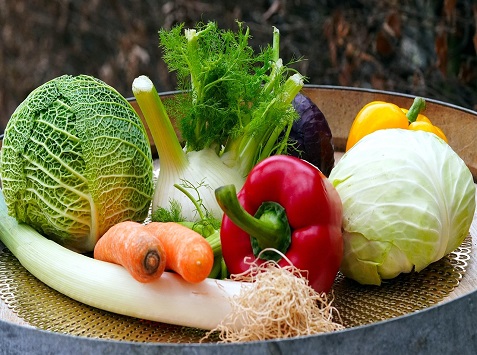
 Adding a little burst of fun to our weekly meal plans doesn’t necessarily mean trying out complicated recipes or reaching for exotic ingredients. It can be as simple as embracing the different varieties of seasonal produce. If you’re looking to spice up your usual menu, learn how to harness the power of fruits and vegetables in their peak season.
Understanding Seasonal Eating
The concept of seasonal eating revolves around consuming fruits and vegetables at the peak of their natural harvest time. This practice not only guarantees you the freshest and most flavorful ingredients, but it also ensures you are eating food brimming with maximum nutritional values. And guess what? Seasonal produce is typically more affordable due to the high supply during its peak season. So, making this shift is also a bonus for your wallet.
Exploring Seasonal Produce in Every Season
Here’s a brief run-down of the exciting, varied produce each season presents to spice up your weekly menu:
Spring: As the weather transitions, we welcome luscious berries, crisp asparagus, tangy rhubarb, sweet peas, and a wealth of leafy greens.
Summer: This season showcases a variety of lusciously sweet fruits like peaches, watermelons, cherries, and blueberries. Additionally, you can enjoy ripe tomatoes, dainty summer squashes, bell peppers, and fresh herbs.
Fall: Autumn showcases earthy pumpkins, butternut squashes, hearty root vegetables, pears, apples, and colorful chard.
Winter: Winter brings deeply colored citrus fruits, tangy pomegranates, nutritious winter squashes, and hardy greens like kale and collards. It’s also the perfect time for comforting soups and stews—don’t forget to buy these chopped onions to save time while still building deep, rich flavor.
How to Incorporate Seasonal Produce into Your Menu
Start Your Day Fresh: There’s no better way to start your day than with fresh produce. Use ripe spring berries or summer peaches in your oatmeal or smoothies. In autumn, bake a warm apple or pear muffin. Citrus fruits from winter can give an exquisite tang to your morning parfait.
Re-imagine Salads: Salads don’t have to be boring. Add the crunch of asparagus tips in spring, fresh cherries in summer, roasted root vegetables in fall, and segmented citrus in winter to transform your green meals into a celebration of the seasons.
Update Your Entrees: Refresh the main course with seasonal ingredients. Grill a peach in summer to add to your grilled chicken, or roast butternut squash for a creamy pasta sauce in autumn. Citrus-infused casseroles in winter and asparagus-stuffed quiches in spring showcase seasonal produce in spectacular ways. For a cozy, savory option any time of year, try a cheddar and onion risotto using seasonal onions and your favorite sharp cheese.
Mix Up Your Sides: Side dishes can be dynamic, too. With the shift of each season, swap out the usual suspects with fresh alternatives. Try rhubarb chutney in spring, corn-on-the-cob in summer, roasted acorn squash in autumn, and hearty collard greens in winter.
Simple Tips for Seasonal Eating
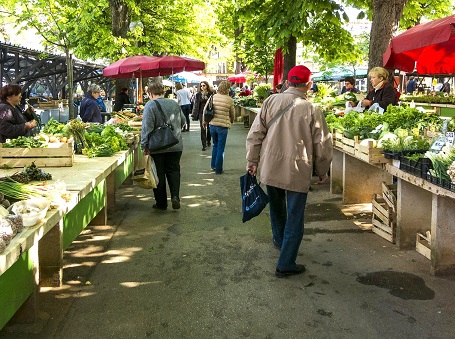
Shop at Farmers’ Markets: Farmers’ markets are your best bet to find a variety of fresh and local seasonal produce. Strike up a conversation with local growers. They can give you pointers about selecting and preparing their wares.
Preserve the Bounty: Enjoy the taste of each season longer by learning preservation methods like pickling, canning, or freezing.
Consult a Seasonal Produce Guide: If you’re uncertain about what’s in season, look for a seasonal produce guide online or in cookbooks. This can help you plan your meals better and encourage diversity in your diet.
In conclusion, embracing seasonal produce is an easy and delicious way to add variety to your weekly menu. It makes meal planning exciting, supports your local economy, nourishes your body with peak-nutrient foods, and bursts with flavors you’ll look forward to all year round. Seasonal eating promises to be a culinary journey that keeps on giving, one season at a time.