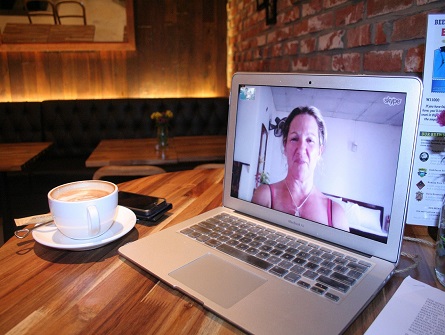
 How people approach mental health has changed dramatically in the past few years. Online therapy has become an effective and convenient option for many. This makes psychotherapy more accessible and flexible.
Accessibility and Convenience
Mental health online therapy means you can consult with mental health experts without leaving your home. This saves time, resources, and the cost of travel. This is especially useful for individuals who live in remote locations or have difficulty moving around.
This enables individuals to schedule sessions that fit their busy lifestyles, which in turn means that they are more likely to attend regular sessions. The option to engage through video calls, phone calls, or instant messages makes it even more enticing. Clients can choose the format they are most comfortable with, which adds to the therapeutic experience.
Anonymity and Comfort
To some, a therapist’s office can be an intimidating place. Therapy online can give you anonymity that may help you open up. So, if people want to talk about weight gain or other sensitive topics, then doing it in the office is not a good environment for them, but when at home, surrounded by loved ones in privacy, it is a comfortable thing.
The home environment may also help clients feel more comfortable and secure and be more open in their self-expression. That way, you won’t feel exposed or judged by not knowing something, and it makes way for an honest and much more mature session.
Expanded Options for Therapy
If you find most in-person therapists in your local area too expensive, online platforms usually offer wider options of more affordable therapists. This allows people to find professionals who cater to their specific needs or use specific kinds of therapy. Choosing the right therapist based on your individual needs is an essential factor that makes therapy effective.
Also, it makes it less of a hurdle when there is a language or cultural barrier. Clients can select therapists who are fluent in their first language or who come from the same culture, allowing for improved communication and understanding.
Affordability
Cost is a very important factor for many people who are looking for mental health support. In-person therapy sessions are usually more expensive than online therapy. Lower operating expenses for therapists can lead to reduced rates for clients.
Further financial flexibility is possible through the subscription model offered by some platforms or even package deals. This low-cost option allows more people to engage in therapy and removes the financial obstacles that sometimes keep people from giving therapy a chance.
Adaptability and Innovation
Innovative treatment may be uniquely possible through the digital nature of online therapy. And digital tools, like apps or online resources, can be integrated into therapists’ practices. They’re great supplementary tools to sessions for client support outside of meetings.
Tracking progress digitally gives both therapists and clients an idea of how things are progressing. This helps tailor treatment plans according to the needs of the patient.
Challenges and Considerations
Although online therapy has many benefits, it can still be difficult at times. Technical issues, such as poor internet connections, can disrupt sessions. Creating a digital space where privacy and confidentiality are important requires proper consideration of security protocols.
Others may argue that meeting online does not have the same personal touch as an in-person meeting. Getting used to a therapist through a computer is a different thing; it will not work for everybody.
Conclusion
The introduction of online therapy has changed the means and methods for receiving mental health support. It is a valuable option for many, as it is convenient, cost-effective, and adaptable. Online therapy provides a flexible, accessible option for mental health care, allowing individuals to prioritize their mental health while staying at home.
With the constant advances in technology, the opportunities for either modality to expand and improve look bright. By adopting this method, we enable a more holistic and responsive mental health care system, catering to the different needs of individuals in different situations.