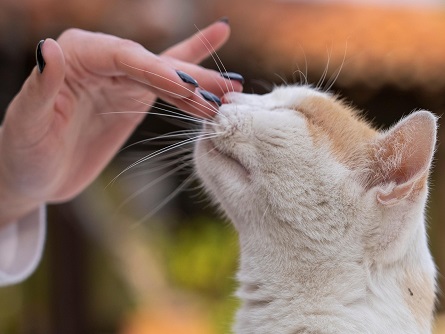
 Feeling stressed, anxious, or low isn’t always easy to explain. Sometimes, you just feel off. You might not want to talk, but you also don’t want to be alone. That’s where a companion animal comes in. Their quiet company can bring calm to heavy days and help you feel more grounded.
For many people, animals do more than offer love — they become a steady part of their emotional support. And when that connection is strong enough, it can even be recognized under the law.
Want to know what that means and how it helps? Read on to know!
Recognizing Your Need Legally
Some animals do more than comfort — they help people manage emotional struggles like anxiety, depression, or PTSD. In those cases, that animal may qualify as an Emotional Support Animal (ESA). To make this official, a licensed mental health professional can provide an ESA letter as proof.
You can even get one online. Look for an ESA provider that issues an approved letter within 48 hours. Professional ESA providers even take your online test, which can give you a clear idea of your issue and the needs to be addressed. If your support is legal, landlords must allow your ESA, even in no-pet homes. It’s not about special treatment, but making sure your emotional needs are respected.
How Can Companion Animals Help?
A companion animal can truly uplift your emotional well-being. Here are some ways they can provide emotional support and boost your mood.
1. Creating a Calmer Space Through Steady Companionship
Just sitting near an animal can make you feel better. They don’t ask questions or give advice — they just stay close. This helps your body and mind calm down. When life feels loud or too fast, being near your pet can help slow things down.
Their soft breathing, warm body, or gentle movements remind you that you’re not alone. That steady, quiet company is often enough to help you feel safe again. Even when you can’t explain what’s wrong, your animal is there, giving silent emotional support — and sometimes, that’s all you really need.
2. Easing Stress and Anxiety Naturally
Spending time with a pet can actually change how your body feels. When you pet an animal or sit with them, your stress level goes down. Your heart beats more slowly. You may even start to feel calmer inside and emotionally stronger.
This is because your body releases “happy” chemicals like serotonin and oxytocin. These help fight stress, fear, and anxiety. You don’t need a big moment — even a few minutes with your animal can help. In hard times, that little break with your pet becomes something your brain and body can count on to feel better naturally.
3. Building a Daily Routine
Animals need care, and that helps you too. Feeding your pet, taking it for a walk, or brushing its fur adds structure to your day. This kind of routine can help you feel more in control when everything else feels messy. It gives you something to do and a reason to get out of bed.
Even small daily tasks like filling a water bowl or opening a window for fresh and clean air start to feel important. These tiny actions build a positive emotional rhythm that helps you stay focused, moving, and feel like the day has purpose.
4. Offering a Safe Space for Emotional Expression
Pet animals provide an opportunity for another connection with the outside world. Taking a dog for a walk or to the pet store, or even discussing one’s animal with another person, offers some time for human interaction. They don’t judge or interrupt.
Just having them there can help you release built-up feelings. This safe space helps you process emotions without fear. You don’t have to pretend. And sometimes, knowing someone (even a furry someone) is there for you makes all the difference. It’s quite a kind of support, the kind that gives comfort without needing any words.
5. Encouraging Gentle Social Interaction
Having an animal can help you connect with the world again. Taking a dog outside, visiting a pet store, or even talking about your animal with someone gives you small moments of human contact. These are not big social events, but gentle ways to feel part of something.
You might meet neighbors, chat with a vet, or simply smile more during your day. It helps break isolation. With your animal as your comfort zone, you feel safer exploring little bits of the outside world and inner emotions, at your own pace, in your own way.
Conclusion
A companion animal can be more than just a pet — they can be part of your emotional toolkit. From calming your nerves to giving your day structure, their support is real. If that connection helps your mental health, getting it legally recognized might be the next smart step.