Noise has become one of the most overlooked pollutants of modern living. Whether it’s honking traffic outside your apartment, a neighbor’s barking dog, or the constant hum of city life, intrusive sounds have a real impact on our well-being. That’s why more people are turning to practical and stylish solutions to manage everyday noise—like noise reducing curtains.
Far more than decorative pieces, these curtains are designed to dampen unwanted sounds and make living spaces quieter, calmer, and more comfortable. With innovations in materials and design, they’re now an accessible option for households of all types. In particular, long curtains that reach from ceiling to floor add both acoustic and aesthetic value.
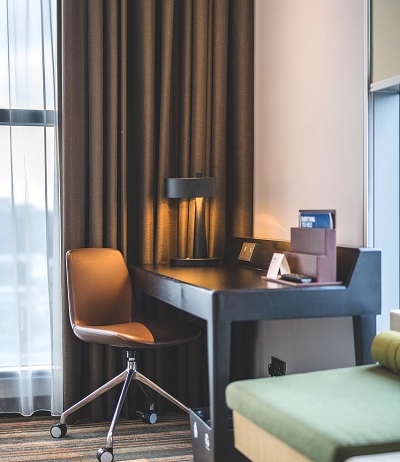
Understanding Noise Reducing Curtains
Noise reducing curtains—sometimes referred to as sound-absorbing or acoustic curtains—are designed with one primary goal: to limit the amount of sound that passes through a window or room opening. Unlike traditional drapes that focus solely on privacy or blocking sunlight, these curtains use thicker, denser materials that absorb and muffle sound waves.
While they won’t make a room completely soundproof (only structural changes can do that), they can significantly reduce high-frequency sounds like voices, traffic, and neighborhood chatter. The result is a noticeable drop in noise levels, making for a more peaceful environment.
How They Work
Sound travels through air in waves. When these waves hit hard surfaces—like glass, walls, or floors—they bounce and echo, amplifying noise in a room. Noise reducing curtains tackle this by using thick, multilayered fabrics that absorb and dampen sound. The more layers and density, the better the curtain is at catching those sound waves before they spread.
Some curtains even include special acoustic linings or foam layers to further enhance sound absorption. Additionally, long curtains that fully cover windows and even extend past them help block gaps where sound might sneak through.
Key factors that make these curtains effective include:
* Material thickness and density
* Length and coverage area
* Layering and linings
* Proper installation
When these elements are combined effectively, you get a curtain that not only reduces noise but also enhances the acoustics inside the room.
Benefits Beyond Noise Control
While the noise reduction is the main selling point, these curtains bring along a host of other advantages.
1. Better Sleep and Rest
Reducing outside noise can lead to improved sleep quality. This is especially important for people who live near busy roads, nightclubs, train lines, or other sources of consistent disturbance.
2. More Focused Workspaces
For those working from home, concentration is critical. Cutting down background noise helps boost productivity, especially during meetings or deep-focus tasks.
3. Improved Room Acoustics
In addition to keeping sound out, noise reducing curtains can also prevent echo within a room. This is useful for home theaters, studios, or even just large living rooms with hard floors and high ceilings.
4. Energy Efficiency
Many of these curtains double as thermal insulators. Their thick material helps maintain room temperature by reducing drafts in winter and heat in summer—saving energy in the long run.
5. Light Control and Privacy
Since they’re made from heavy fabrics, noise reducing curtains often block out light effectively, making them ideal for bedrooms and media rooms. Their full-length coverage also ensures complete privacy from the outside world.
Why Long Curtains Make a Difference
While material and thickness are essential, curtain length also plays a big role in noise reduction. Long curtains—those that reach from ceiling to floor—cover more surface area, reducing the chance for sound to sneak through open spaces. They also tend to drape more heavily, adding to the material density that helps dampen sound.
Installing long curtains that extend beyond the width and height of your windows offers better acoustic sealing. The extra fabric bunching at the sides helps trap sound, especially when paired with a wraparound curtain rod that holds the drapes close to the wall.
In rooms with high ceilings or large glass doors, long curtains not only improve function but also bring elegance and balance to the design.
Where to Use Noise Reducing Curtains
Noise reducing curtains are useful in almost any room, but here are a few spaces where they have the greatest impact:
Bedrooms: To minimize nighttime disturbances and improve rest.
Nurseries and kids’ rooms: To create a quiet environment for sleep and play.
Living rooms: Especially in apartment complexes or homes near loud streets.
Home offices: To limit outside distractions and improve video/audio call quality.
Home theaters or media rooms: To enhance sound quality and block exterior noise.
Studios or music rooms: To reduce echo and absorb sound during recordings.
Tips for Choosing the Right Curtains
To get the most from your noise reducing curtains, keep these tips in mind:
Choose heavier fabrics like velvet, suede, or layered polyester.
Opt for custom sizing if your windows or doors are oversized or oddly shaped.
Install a double curtain rod to layer with sheer or thermal curtains if desired.
Mount the rod higher and wider than the window frame for full coverage.
Pair with other acoustic treatments like rugs, furniture, and wall panels for enhanced noise control.
Final Thoughts
In a world where noise pollution is becoming an everyday challenge, creating a peaceful living space has never been more important. Noise reducing curtains offer an accessible, stylish, and highly functional way to manage sound and improve comfort. When paired with long curtains that provide full coverage and a dramatic look, the result is a quieter, cozier, and more inviting home.
Whether you’re tackling city sounds, creating a productive home office, or simply craving more calm in your day-to-day life, investing in the right curtains can make a world of difference. After all, quiet isn’t just a luxury—it’s part of a healthier, more balanced lifestyle.