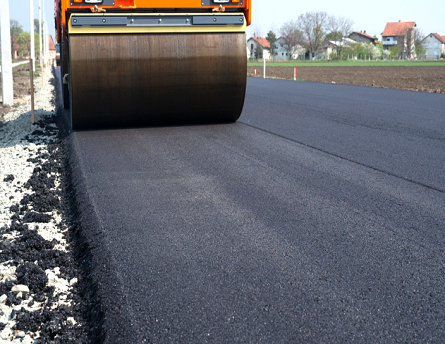
 When your driveway or parking lot starts becoming more like a patchwork quilt than a smooth surface, it is definitely not a matter of aesthetics; it is a warning. Vancouver’s climate, with its continual wet weather, freeze-thaw cycles, and daily vehicle grind, puts asphalt to the test.
Water seeps into the thinnest of cracks, and before you know it, those cracks have turned into craters, draining your budget along with your curb appeal. Add in heavy traffic and changing temperatures, and you’ve got a recipe for rapid deterioration.
However, the warning signs go unnoticed by numerous property owners until the repair costs skyrocket. Being aware of what to expect saves not only thousands of dollars, but also avoids safety issues and potential liability.
Let’s understand five key signs your asphalt is crying out for help.
1. Cracks Are Spreading Like Spiderwebs
Cracks may appear harmless initially, just thin lines carved over the pavement. However, when those lines begin to form elaborate spiderwebs or resemble the rough pattern of alligator skin, your asphalt is telling a bigger story.
Those are not merely cosmetic marks; they are open invitations for water to trickle underneath. And when the moisture penetrates, it is not long before the foundation weakens, the cracks spread, and the surface starts to rupture.
Often found in high-traffic areas, alligator cracks are a sign of fatigue in the asphalt as though it’s been pushed to its limits. Linear cracks, particularly those along the edges, are normally indicative of aging or poor drainage. Both are early signs that demand attention.
When you start noticing these signs, it is high time to consider a professional Vancouver asphalt repair service. A simple and inexpensive fix is to seal the cracks in an early stage, which prolongs the life of your pavement and relieves you of unnecessary financial burdens in the future.

2. Standing Water That Won’t Drain
The puddles on your pavement every time it rains are not just inconvenient, but it is a sign. Puddles that persist well after the skies clear up often signal improper grading or underlying structural issues.
Frequent rainfall in Vancouver only adds to the problem, with even small dips becoming miniature lakes, slowly gnawing away at your asphalt inside-out. When water is stagnated, it penetrates into the layers of pavements, decomposing the sub-base and creating soft spots.
With time, such susceptible areas begin to develop cracks, potholes, and even costly breakdowns. What appears to be a little pool of water on the surface may actually be hiding serious damage underneath.
A sound drainage system is a key component in keeping your asphalt strong and durable, especially in a wet climate like Vancouver’s. When you begin to see frequent water puddles in the same spots, you need to identify Vancouver asphalt repair solutions that address not just the surface, but the root of the problem.
3. Faded Color or Chalky Appearance
A rich, dark asphalt surface not only looks beautiful, but it signals strength and durability. However, with time, that rich black turns pale gray or even chalky white. This change of color is not purely cosmetic. It is one of the most obvious indications that your pavement is aging and losing its resilience.
The sunny spells in Vancouver, particularly during dry summer months, expose asphalt to severe UV rays that break down the binding oils in the surface. Once oxidation settles in, asphalt becomes stiff, less resilient, and much more susceptible to cracking under pressure.
A mere discoloration may progress to structural damage very quickly. Fortunately, a timely Vancouver asphalt repair or sealcoat can restore protection and prolong the life of your pavement.
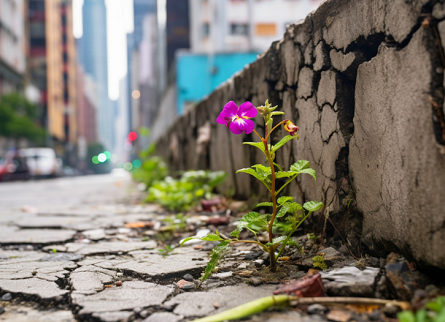
4. Potholes Are Appearing (or Expanding)
A pothole might seem like a minor nuisance—until you hit one hard enough to spill your coffee or jolt your suspension. In moisture-heavy regions like Vancouver, potholes form quickly and worsen even faster.
Water enters small cracks, freezes, expands, and breaks apart the asphalt from below. When a vehicle passes over these impaired spots, the surface collapses, leaving behind the dreaded dip.
Potholes aren’t just eyesores; they’re liabilities. Left unrepaired, they pose risks to pedestrians, cyclists, and vehicles. Trips, falls, flat tires, and suspension damage are common complaints—and if the damage happens on your property, you could be held responsible.
Call in a trusted Vancouver asphalt repair specialist before one pothole turns into a pavement minefield. Don’t let a small hole become a big problem.
5. Surface Feels Uneven or Bumpy
Walking along your pavement or driving should not be akin to walking a rocky path. When your asphalt starts to feel uneven, bumpy, or soft underfoot, it is often more than just surface wear—it’s a red flag for deeper structural issues.
These minor shifts in texture may indicate base layer failures, where the ground beneath your asphalt is no longer supporting the surface evenly. Gradually, poor compaction, moisture infiltration, or erosion may result in the foundation settling unevenly, leading to dips, bulges, and soft spots.
This is not only unpleasant but also dangerous, especially to pedestrians who could easily trip or stumble. Beyond safety, uneven pavement hurts your property’s curb appeal and perceived value.
Conclusion
Cracks, standing water, faded surfaces, potholes, and uneven textures—these five signs are clear signals your asphalt needs attention. Ignoring them can lead to costly repairs, safety risks, and a serious drop in curb appeal.
Proactive maintenance not only protects your property but also extends the life of your pavement, saving you money in the long run. If you’ve noticed any of these warning signs, don’t wait for the damage to worsen.
Reach out to a trusted Vancouver asphalt repair company today for a professional inspection or free quote. Protect your pavement now—before small problems become big ones.