 Industrial photography is one of the most compelling ways to display industries and their functioning. This particular field takes the spirit of manufacturing processes, machines, and workplaces. It helps businesses communicate better and serves as a visually enticing exhibit. Knowing what to expect from an industrial photographer can make the process smoother and more effective.
Understanding the Role of an Industrial Photographer
An industrial photographer in Sydney or any other city focuses on documenting images for an industrial facility and describing how it works daily. They pay close attention to detail and are highly sensitive to industrial-related environments. Their knowledge includes machines, safety situations, and illumination. They aim to create images that are useful but also visually attractive.
Preparation and Planning
Before a photoshoot, industrial photographers engage in thorough preparation. They often visit the location to assess the environment and identify potential challenges. This helps them plan the shoot effectively, considering lighting, angles, and safety measures. They collaborate with the business to understand specific needs and objectives. This ensures the images align with the company’s branding and communication goals.
Equipment and Techniques
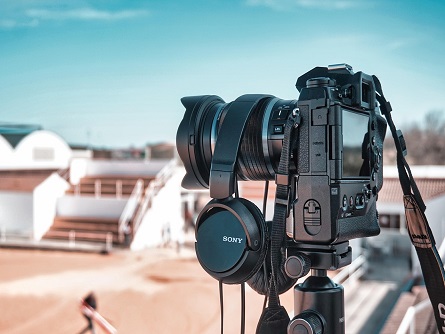
Industrial photographers use professional equipment to create high-quality images. This usually consists of pro cameras, lenses, and lights. They can also use drones to capture aerial shots for a different perspective. The equipment used varies depending on the project’s needs. Each image tells a story by highlighting machinery and processes.
Safety Considerations
At the industrial location, photographers must follow all safety measures. They typically dress in protective clothing and abide by the majority of the office’s rules. This keeps them safe while honouring the efficiency of the business model. It also helps a professional photographer learn to reduce disruptions while taking photos. This, in turn, leads to enhanced safety and positive outcomes.
Communication and Collaboration
This is why the photographer and business need to communicate effectively. The reason the photographer is in sync with the company plan is that. Regular communication ensures that any worries are dealt with in due time and the course of action becomes clear. The collaboration ensures seamless execution, leading to photographs that align with the client’s vision.
Post-Processing and Editing
The photographer takes images and then does post-processing. Editing Photos: This is the final editing of the photos to improve quality or impact. These modifications can be colour correction, cropping, retouching, etc. The objective is to generate high-quality, vibrant, eye-catching images that fit the brand aesthetics. The ultimate deliverable will be used in marketing material, presentations, and the web.
Delivering the Final Product
When editing is finished, the photographer sends the final pictures to the client. They are typically delivered in multiple formats for various applications. A high-resolution print will be fine; use the optimised version for digital media. The photographer prepares the photos for immediate use in company projects.
Pros of Engaging an Industrial Photographer
Hiring a professional industrial photographer offers numerous advantages. High-quality images elevate the company’s image, making it more appealing to potential clients and partners. These photos can be used in promotional materials, websites, and social media, enhancing the brand’s visibility. Additionally, professional images can help document processes for training and compliance purposes. They also understand your target audience, and their created visuals can create a positive appeal to your customers.
How to Choose the Best Photographer
Selecting the right industrial photographer requires careful consideration. Businesses should review portfolios to assess the photographer’s style and expertise. It is essential to choose a photographer who has experience in similar environments. Recommendations and reviews can provide insight into the photographer’s reliability and professionalism. Clear communication about expectations and budget is also essential.
Conclusion
Industrial photography acts as a tool for businesses to show their operations. Knowing what to expect from an industrial photographer, companies can collaborate without a hitch. Each process contributes to an industrial activity’s capturing its essence from prep to delivery. The right photographer can create images that tell their story and build their brand.