Spotting those white flakes on your shoulders again? You’re not alone. Dandruff affects nearly half of all adults, and it’s more than just a cosmetic nuisance—it can seriously impact your confidence and social comfort. Whether you’re hesitating to wear that black shirt or feeling self-conscious during close conversations, dandruff can be genuinely distressing.
Let’s cut through the marketing hype and explore what actually works based on dermatologists’ recommendations and solid research.
Understanding What’s Really Happening on Your Scalp
Here’s the thing…
Dandruff isn’t just dry skin. It happens when your scalp cells renew too quickly, causing visible flaking instead of the normal invisible shedding process. Several factors typically work together to create those frustrating flakes:
Malassezia Fungi: This naturally occurring yeast lives on everyone’s scalp, but when it overgrows, it triggers irritation and accelerated skin cell turnover. Most experts consider this the primary culprit behind common dandruff.
Seborrheic Dermatitis: This inflammatory condition creates the perfect environment for Malassezia to thrive. The oil, inflammation, and resulting flaking create that classic dandruff presentation.
Product Reactions: Your favorite hair products might be part of the problem. Fragrances, preservatives, and certain cleansers can trigger scalp reactions that look just like dandruff.
Underlying Conditions: Sometimes, what seems like dandruff is actually psoriasis, eczema, or another condition requiring a different approach.
Over-the-Counter Champions: What Really Delivers
Medicated shampoos remain your first and best defense. These active ingredients have the strongest evidence behind them:
Zinc Pyrithione (1-2%): Found in products like Head & Shoulders, this ingredient fights the yeast while normalizing skin cell turnover. You’ll typically see improvement within 2-3 weeks of regular use. Many brands now offer dandruff shampoo for color treated hair with zinc pyrithione in gentler formulas designed to preserve your hair color while treating flakes.
Selenium Sulfide (1%): Products like Selsun Blue can reduce flaking by up to 75% with consistent use. It works by slowing cell turnover and fighting fungal overgrowth. Just be careful with lighter hair colors, as it may cause slight discoloration.
Ketoconazole (1%): Available in Nizoral, this powerful antifungal directly targets the Malassezia yeast. Many dermatologists consider this the most effective OTC option, often matching the results of prescription treatments.
Salicylic Acid: For those thick, stubborn flakes, products like Neutrogena T/Sal help dissolve the buildup. Think of it as an exfoliator for your scalp.
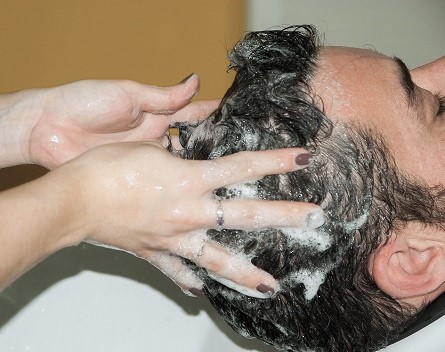
The catch? How you use these products matters just as much as which one you choose. Apply shampoo directly to your scalp (not just your hair), and let it sit for 3-5 minutes before rinsing. Rotating between different active ingredients helps prevent your scalp from adapting to any single treatment.
When to Level Up to Prescription Solutions
If you’ve given OTC products a fair shot (at least 4 weeks of consistent use) and still see significant flaking, it might be time to consult a dermatologist. About 20% of dandruff sufferers need something stronger.
Prescription-Strength Ketoconazole (2%): Twice as potent as the OTC version, studies show it completely clears severe cases in 73% of patients after just one month.
Ciclopirox (1-1.5%): This option works especially well for cases that don’t respond to ketoconazole, offering both antifungal and anti-inflammatory benefits.
Corticosteroid Solutions: When inflammation and itching are severe, these provide fast relief, though they’re meant for short-term use only.
For the most stubborn cases, oral medications might be recommended, though these require more careful monitoring.
Natural Remedies That Actually Help
While many natural remedies make big promises, only a few have research backing their effectiveness:
Tea Tree Oil (5-10%): The star performer among natural options, tea tree oil has documented antifungal properties. Studies show shampoos containing 5% tea tree oil significantly improve dandruff compared to placebo products. Just make sure to dilute it properly and test a small area first.
Aloe Vera: Its anti-inflammatory properties can help calm an irritated scalp. Small studies suggest it reduces scaling and itching when applied regularly.
Coconut Oil: While not directly antifungal, virgin coconut oil may help maintain your scalp’s moisture barrier when used as a pre-shampoo treatment.
Among natural options, tea tree oil stands out as the only one with substantial research supporting its effectiveness specifically for dandruff.
Lifestyle Changes That Support Your Scalp
What you do daily can either help or hinder your dandruff situation:
Nutritional Support: Your scalp benefits from:
* Omega-3 fatty acids (found in salmon, walnuts, flaxseed) to reduce inflammation
* Zinc (from oysters, beef, pumpkin seeds) for skin health
* B vitamins to support healthy skin cell function
Stress Management: The stress-dandruff connection is real. Stress hormones increase oil production and trigger inflammation—both friends of Malassezia. Regular exercise, good sleep, and mindfulness practices can make a noticeable difference.
Better Hygiene Practices: Washing regularly prevents oil buildup, while thorough rinsing removes product residue. Change your pillowcase 2-3 times weekly and avoid sharing hair tools to prevent the reintroduction of fungi.
Dermatologist-Approved Pro Tips
Be patient—most treatments need 2-4 weeks to show results. Taking weekly photos helps you objectively track your progress.
Common mistakes that dermatologists see include:
* Switching products too quickly before they have a chance to work
* Applying products to hair instead of directly to the scalp
* Combining too many anti-dandruff ingredients simultaneously
* Using the same approach year-round despite seasonal changes
Long-Term Management Strategies
Once you’ve gotten your dandruff under control, don’t stop treatment completely. Instead, gradually reduce frequency—perhaps going from three times weekly to once weekly maintenance over a couple of months.
Address minor symptoms immediately to prevent major flare-ups. Adjust your routine seasonally—winter’s indoor heating often requires more intensive treatment, while summer calls for prompt post-workout rinses and occasional clarifying treatments.
Keeping Dandruff at Bay
Conquering dandruff requires understanding what’s really happening on your scalp and implementing consistent, appropriate treatment. The most reliable results come from medicated shampoos containing zinc pyrithione, ketoconazole, or selenium sulfide when used correctly. For persistent cases, don’t hesitate to seek professional help for stronger options.
By combining effective treatments with smart lifestyle adjustments, you can finally enjoy the confidence that comes with a flake-free scalp—and wear that black shirt without a second thought.