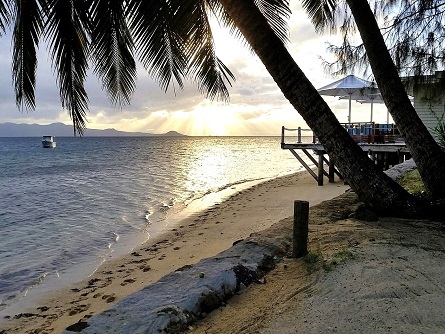
 Planning a vacation sounds exciting until you actually start doing it. Suddenly, there are too many choices, too many tabs open, and not enough time to figure out what’s worth booking. You keep thinking, “What if I miss something important?” That’s when the stress kicks in—and let’s be honest, it happens to almost everyone. Especially if it’s your first time heading to an island destination, it’s easy to feel overwhelmed.
But here’s the thing: it doesn’t have to be that way. With the right steps, planning can feel just as calm as the vacation itself. You don’t need a long checklist—just a clear direction. Let’s walk through how to make it simple so your trip actually feels like a break.
1. Begin with One Clear Goal
The easiest way to avoid planning fatigue is to decide early what kind of trip you want. Don’t book anything until you answer one simple question: what do you want from this trip?
Is it rest? Fun with family? Time in nature? You don’t need to have it all. Pick one clear focus, and use that to guide every decision. That way, you’re not overwhelmed by too many good options. Your time and energy stay on track.
2. Choose the Right Region, Not Just the Right Resort
It’s easy to be pulled in by photos. But don’t book based on scenery alone. Location matters more than most people think. One beach may be lively. Another might feel like your own.
Some resorts Fiji are on islands with easy airport access. Plus, offer daily cultural experiences, including kava ceremonies and meke dance performances. Certain resorts even handle transfers, schedules, and travel help without any fuss. This kind of setup can save you hours and lower stress from the start.
3. Think About Your Daily Routine
This one’s often missed. Don’t just choose a resort for its list of features. Instead, think about how you spend a day on vacation. Are you an early riser? Do you like quiet afternoons or packed days?
If you’re bringing kids, check for structured activities, kid-friendly menus, or even nanny services. Some resorts offer these, along with a mix of casual dining, beach space, and family-friendly fun zones.
If you like slow mornings with coffee by the water, a room with ocean views makes a difference. Choose based on how you move through the day, not what looks good on paper.
4. Avoid Overbooking Your Days
Many travelers make this mistake, especially on their first trip. You might feel the need to squeeze in every activity. But that doesn’t leave much room to relax or go with the flow.
Plan one thing a day. Maybe it’s a snorkel trip, a short hike, or a cultural show. Let the rest of your day unfold naturally. Leave time for naps, sunsets, or doing nothing. That’s often when the best memories happen.
5. Don’t Assume—Always Ask Before You Book
Look at what your resort actually includes. This is where problems usually start. Some places list “all-inclusive,” but that might not cover much. You’ll want to know if meals, airport transfers, and activities are part of the deal.
If anything’s unclear, ask. Even simple questions like, “Do you offer Wi-Fi in the room?” or “Are all restaurants part of the package?” can help avoid stress later. Good resorts answer quickly and clearly. They don’t leave you guessing.
6. Use Guest Reviews the Right Way
Reviews aren’t just about star ratings. Read the words. See what real guests say about check-in, food, or how staff treat them. Look for patterns. One bad review isn’t a deal-breaker, but ten comments about slow service might be.
Also, check how resorts respond. If they’re polite and honest and explain changes they’ve made, that’s a good sign. It shows they care and pay attention to the guest experience.
7. Focus on Value, Not Just Price
The cheapest option is not always the smartest one. Think about what you’re really paying for. A place with airport pickup, meals, and a few extras might look more expensive, but it could save you time and money later.
Look for what adds value: flexible check-in, local tours, easy beach access, or even cultural events. These extras make your experience better without needing to spend on upgrades after you arrive.
Conclusion
Your first island vacation doesn’t have to feel like a task. Choose based on how you live, not just what looks good online. With a few small changes in how you plan, your trip can be smoother and more relaxing. Don’t chase perfection. Just make space for what matters.
Start simple, and let the destination do the rest.