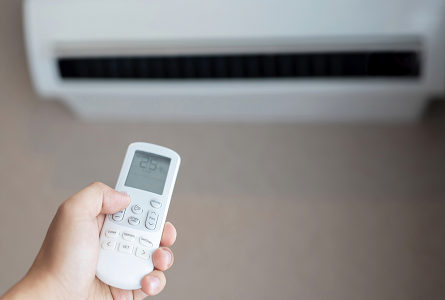
 It mostly comes down to regular maintenance and not overworking the system. When people ask how long do air conditioners last, the honest answer is it depends on how they’re used and looked after over time. The points below walk through what to focus on so your setup doesn’t wear out sooner than it should.
Clean or Replace Air Filters Regularly
It doesn’t matter if you’re in the city or out near the bush. Dust gets in, and it builds up fast. Once those filters clog up, the system has to push harder to keep air moving. That kind of extra work might not show up right away, but it adds stress that wears things down.
Over time, motors start to strain, airflow drops, and that’s when you’re looking at repairs, or worse, a full heat pump replacement.
So it’s best to check filters every month or so, especially if you have pets, trees nearby, or use the system daily.
Check Outdoor Units for Obstructions
It’s easy to forget what’s happening outside. Leaves, grass clippings, and garden debris all pile up around the unit, usually after wind or yard work. That stuff blocks air, which messes with heat exchange and slowly overheats parts. You might not notice anything right away, but it’s wearing the system out behind the scenes.
Go out and look. Give the unit space. Trim back hedges, sweep off the vents, and don’t stack anything near it. If it can’t breathe, it won’t last.
Schedule Professional Servicing Once a Year
Here’s the thing: systems don’t break down out of nowhere. There’s almost always a warning, but you won’t catch it without a proper look under the hood. That’s why you need to hire licensed techs, as they’ll test refrigerants, check wires, tighten loose parts, and clear out buildup. They can fix stuff you can’t really spot on your own. For homes with heavy use, or if you rent out property, booking that annual service might be what keeps you from a full system failure mid-summer.
Use Zoned Heating and Cooling Where Possible
Why run the whole house if you’re only using one room? It wears the system out faster. Zoned setups let you heat or cool sections of the home on their own, which means less work for the unit overall. Good if you’ve got a big layout or don’t use certain rooms often. You might already have zone control without realizing it, so it’s wise to check your remote or controller. The less your system has to run full-tilt, the longer it’s going to hold up.
Set Sensible Temperature Limits
Too cold in summer or too warm in winter? That kind of overcorrection takes a toll. Most systems aren’t built to hold extreme temps 24/7. Try keeping it between 24-26°C in summer and 18-20°C in winter. It’s not about being uncomfortable, but about giving the unit a chance to run without maxing itself out. Use timers or smart settings if you’ve got them. That way, it stays consistent without needing constant adjustment.
Explore Fujitsu General online to find air conditioning solutions designed for homes and buildings across Australia and New Zealand.