 High electricity bills in summer are frustrating, but they don’t have to feel dreadful. You don’t need to give up comfort or stop using your appliances altogether. A few smart adjustments can help you stay cool while keeping your electricity costs under control. The key is using what you already have more efficiently and paying closer attention to habits that quietly increase energy use.
Time Matters More Than You Think
Electricity prices can fluctuate depending on the time of day. Most utilities now use Time-of-Use pricing, which charges more when demand is high. These are called peak and off-peak electricity hours. Peak hours usually happen in the late afternoon to early evening, when people return home and power demand surges. Off-peak hours typically fall overnight or early morning.
Shifting energy-heavy tasks like laundry, dishwashing, or charging devices to off-peak hours can help you save money across your billing cycle. For example, running your dishwasher at 9 PM instead of 6 PM might make a small difference each time, but across the summer months, that adds up.
Optimize Your Cooling Without Sacrificing Comfort
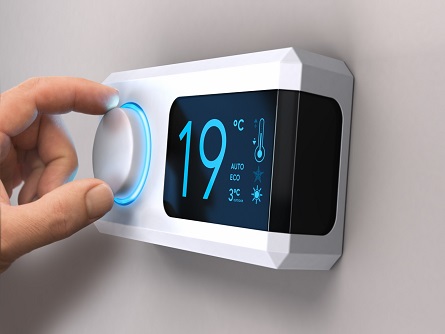
Use smart thermostats to program temperature settings based on when you’re home, sleeping, or away. These devices adjust automatically and prevent unnecessary use. Set your thermostat higher when you’re out and lower it only when you’re back and need the cooling.
Block sunlight during the hottest times with window shades or reflective film. Sunlight can increase heat gain, which pushes your air conditioner to work harder. Keep your air vents clear and don’t block them with furniture or curtains. Dusty or clogged filters also restrict airflow and waste energy, so clean or replace your air filter regularly.
Small Habits That Shrink Big Bills
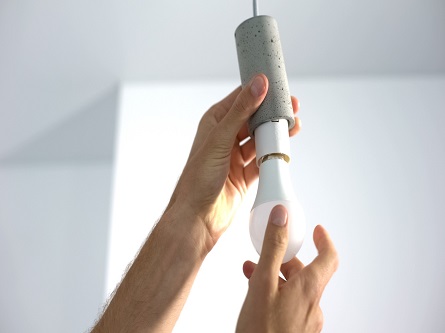
Simple behavior changes can lead to significant savings. Start with your lighting. Switch out incandescent bulbs for LED bulbs. LEDs use less energy and last much longer. Use natural light during the day when possible to reduce reliance on artificial lighting.
Turn off electronic devices like TVs, game consoles, and coffee makers when not in use. Devices in standby mode still draw power. Plug them into power strips so you can switch them all off at once.
If you’re using a clothes dryer, clean the lint trap after every load. Better yet, hang clothes to dry during hot, dry days. You’ll lower your electric bills and reduce wear on your clothes.
Cut Cooling Losses at the Source
Prevent cool air from escaping. Seal cracks around windows, door gaps, and ducts. Look for air leaks by feeling for air movement or using an incense stick. Smoke wavering around the edges of windows indicates a leak.
Use storm windows or apply weather stripping to improve your home’s proper insulation. These steps keep the cold air in and the hot air out, so your indoor temperature stays more stable without the need for excessive cooling.
You can also add reflective covers to light sockets and install door sweeps. These inexpensive updates help reduce your carbon footprint while cutting utility bills.
Water Usage Affects Energy Use Too
Heating water requires energy. Set your water heater to 120°F to prevent overheating. Wash clothes with cold water instead of hot. Modern detergents clean effectively in cold, and you’ll save energy with every load.
A standard showerhead can use over 2 gallons of water per minute. Consider installing a low-flow option. Shortening your showers just a little also helps reduce energy consumption without much effort.
Appliances and Long-Term Efficiency
If your air conditioner is over 10 years old, consider replacing it with a more energy efficient model. Look for ENERGY STAR-rated appliances, especially if your old ones are running constantly. Heat pumps are another good option, especially in climates where both cooling and heating are needed throughout the year.
Check your refrigerator seals and clean its coils. An overworked fridge can quietly raise your energy costs every month. Upgrade your light bulb stockpile to all LED and avoid keeping spare incandescent bulbs.
Don’t Ignore Maintenance and Location
Maintenance often gets pushed aside, but it’s one of the easiest ways to lower electricity costs. For instance, dirty filters in your HVAC system reduce airflow and force the unit to use more energy. Regular tune-ups help your system run more efficiently.
Pay attention to where you place heat-producing items. Avoid setting lamps or electronics near the thermostat. Their heat can fool the system into thinking the room is warmer than it is, triggering unnecessary cooling.
Keep Cool Without the High Bill
You don’t have to give up your comfort to cut your energy bills in summer. Most savings come from being intentional: running appliances at the right time, keeping cool air in, and reducing energy waste through habits and maintenance. When you pay attention to when and how energy is used, the results start to show quickly on your next billing cycle. Make a few changes now and you’ll be better prepared for the next wave of summer heat without dreading the next round of utility bills.