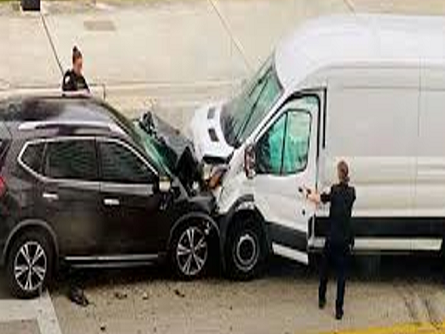
 Dealing with the aftermath of an accident can be overwhelming, both physically and emotionally. To receive fair compensation for the damages suffered, it’s essential to clearly prove who was at fault. However, when multiple vehicles are involved, determining liability becomes far more complicated.
A common example of such complex cases is a moving van collision, where more than two parties are typically involved. While the extent of damage may differ for each party, all those involved often experience some form of loss or injury, making fault even harder to pinpoint.
In these situations, identifying who is at fault becomes a major challenge, especially when insurance companies or involved parties shift blame to avoid responsibility. Each party may offer a different version of events, making it harder to establish a clear narrative. That’s why pursuing injury claims after a moving van collision requires strong evidence, legal guidance, and a solid understanding of how liability is determined in multi-vehicle accidents.
The challenges in proving the moving van collision are:
1. Multiple Parties and Shared Liability
In moving van collisions, it’s common for multiple vehicles to be involved. Each driver may have contributed to the crash in some way, speeding, following too closely, or failing to yield. Determining who was more at fault becomes complex, especially when no party is 100% innocent.
In some cases, liability may be shared, meaning more than one driver is held responsible. States with comparative negligence laws allow injured parties to recover damages even if they were partially at fault, but this also reduces their compensation based on their percentage of fault.
2. Commercial Liability Complications
Since moving vans are usually operated by companies, the legal responsibility may extend beyond the driver.
Factors to consider include:
Was the driver on duty or acting outside of work hours?
Did the company ensure proper vehicle maintenance?
Was the driver trained and licensed?
If the driver is found negligent while working, their employer may also be liable under vicarious liability. This adds another layer of complexity involving corporate insurance and legal defense teams.
3. Delays in Getting Official Reports:
In any personal injury case, documentation plays a critical role, and official reports like police reports, medical evaluations, and insurance assessments form the foundation of a strong claim. However, in moving van collisions, these reports are often delayed due to the complexity of the incident.
Police Reports: In multi-vehicle collisions, police need to gather detailed information from several parties, which can delay report availability
Medical Documentation: Some injuries take time to diagnose fully, and complete medical records are needed to claim future treatment costs.
Insurance Assessments: With multiple insurers involved, coordination becomes difficult, often leading to conflicting conclusions and slow progress.
4. Insurance Company Tactics:
Insurance companies are trained to minimize their financial liability, and in multi-vehicle moving van collisions, they become even more strategic in how they handle claims. When commercial vehicles like moving vans are involved, the stakes and the tactics are even higher.
Blame-Shifting: If the fault is unclear, insurers representing different parties may blame each other or suggest shared liability to reduce their own responsibility. This creates confusion and can delay the settlement process.
Conclusion:
Proving fault in a moving van collision is rarely straightforward. With multiple parties, commercial involvement, unclear evidence, and blame-shifting tactics, these cases require a strategic and well-documented approach. By acting quickly, gathering the right evidence, and seeking strong legal support, victims can overcome these challenges and pursue the compensation they deserve. The right steps taken early can make all the difference in securing both justice and financial recovery.