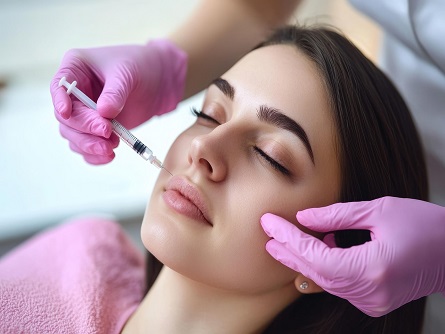
 When someone mentions Botox in Singapore (https://botoxsingapore.sg/), most of us immediately picture wrinkle-free foreheads and smooth, youthful skin. It is a stereotype with cosmetic treatments, right? However, not many are aware that Botox is not just for beauty – this little injection actually has some pretty incredible medical uses that you might not know about. In this article, we will take a look at some of these surprising uses for Botox that go way beyond beauty.
Botox for chronic migraines
Chronic migraines can be debilitating. Imagine getting migraines 15 or more days a month. It is cumbersome, draining, and can seriously impact your life. For people dealing with chronic migraines, Botox has turned out to be a bit of a lifesaver.
In fact, Botox is FDA-approved as a treatment for chronic migraines. The way it works is pretty interesting. Botox blocks the chemicals involved in migraine headaches and interrupts the nerve signals that trigger them. When it is injected around the head and neck, it helps reduce the frequency and intensity of migraines.
A lot of people who have tried Botox for migraines report feeling relief after their first round of injections, which is usually every 12 weeks. The effects can last several months, and many people experience fewer and less severe migraines. So, if traditional migraine treatments have not been working for you, Botox might be worth considering.
Botox for excessive sweating
We all sweat, but for some people, it is a lot more than just a little sweat after a workout. Hyperhidrosis, or excessive sweating, is a condition where people sweat uncontrollably, even when they are not actively moving or in hot environments. It can happen in areas like the underarms, hands, and feet, making everyday tasks like shaking hands or wearing clothes really uncomfortable.
This is where Botox comes in. Botox injections in Singapore can block the nerve signals that stimulate sweat glands, and when injected into areas like the underarms or hands, it helps reduce the amount of sweat produced. As a result, it has become a go-to treatment for people who cannot seem to get their sweating under control with other methods, like prescription-strength antiperspirants.
The results are pretty impressive, too. After the Botox injections, most people see a significant reduction in sweating, and the effects usually last anywhere from 4 to 12 months. While the effects are not permanent, it is still a great option for long-lasting relief.
Botox for overactive bladder
An overactive bladder can make life pretty inconvenient, with constantly needing to run to the bathroom or dealing with the sudden urge to pee making you feel like you are always on edge. Thanks to Botox, you have one less thing to worry about.
When Botox is introduced into the muscles in the bladder through injection, it works by relaxing them, which can help reduce the urgency and frequency of urination. It also helps with incontinence, making it easier for people to control their bladder. Most patients who get Botox for overactive bladder find that they can go longer between bathroom visits and do not feel the need to go as frequently.
The best part is that the effects of Botox can last for about 6 to 9 months, so it is a pretty convenient solution for a problem that many people struggle with. If you have been trying to manage an overactive bladder with pills or lifestyle changes, Botox could be a game-changer for you.
Botox for temporomandibular joint disorders
TMJ disorders can be such a pain – in the most literal sense! If you have ever experienced jaw pain, headaches, or even trouble chewing, it might be due to a TMJ disorder. This happens when the joint that connects your jaw to your skull is misaligned or overworked, causing pain and tension in your jaw muscles.
Botox can help with TMJ disorders by relaxing the muscles around your jaw. When Botox is injected into the jaw muscles, it helps reduce the tension that leads to pain and headaches. It is especially helpful for people who grind their teeth or clench their jaw, which is often a cause of TMJ pain.
After getting Botox in Singapore, many people report that their jaw pain lessens significantly, and they can even go without headaches for longer periods of time. Botox for TMJ usually lasts about 3 to 4 months, and for many people, it is a more effective and less invasive option than surgery or other treatments.
Botox for crossed eyes
Strabismus, or crossed eyes, is a condition where the eyes are misaligned and do not work together the way they should. It can cause double vision and affect depth perception. Botox can actually help treat this condition by temporarily paralyzes the eye muscles, which can help realign the eyes. It is especially helpful for people who have mild to moderate strabismus. The results are usually seen within a few days of the injection.
Botox for crossed eyes typically lasts a few months, and if necessary, you can repeat the injections. For people who are not keen on the idea of surgery, Botox can provide a less invasive alternative that helps them see better and more clearly.
Botox for neck spasms
Cervical dystonia is a condition that affects your neck muscles, causing them to contract uncontrollably, making your head twist or tilt in uncomfortable ways. It is painful and can severely limit your range of motion. Fortunately, Botox can help.
When injected into the neck muscles, Botox helps reduce the involuntary muscle contractions, which can alleviate pain and abnormal head postures. Many people with cervical dystonia find that Botox injections make a huge difference in their comfort level and quality of life.
The effects of Botox usually last around 3 to 4 months, and after that, you can return for another round of injections. It is a treatment that’s been proven to provide relief, and it is much less invasive than other treatments, like surgery.
Botox for excessive salivation
Excessive salivation, also known as sialorrhea, is when you produce more saliva than usual. It can be caused by conditions like Parkinson’s disease, stroke, or other neurological disorders. For people dealing with this, excessive drooling can be embarrassing and difficult to manage.
Botox can help by reducing the amount of saliva your glands produce. When injected into the salivary glands, Botox temporarily blocks the signals that tell the glands to produce saliva. It is proven to be effective, with many people seeing results within a few days of treatment. The effects can last several months, too.
This treatment has been a game-changer for people living with neurological conditions who struggle with sialorrhea, as it gives them back some control over their symptoms and helps them feel more confident in social situations.
Botox for depression and anxiety
Botox for mental health? Yes, you have read that right! It might sound a little strange, but there is actually some research that suggests Botox can help with depression and anxiety. The theory is that Botox, by paralyzing the muscles responsible for frowning, may help improve mood. It is based on the principle that facial expressions can influence emotions.
Some studies have shown that Botox injections in the forehead (where frowning typically happens) can have a positive effect on mood. While it is not openly marketed as a cure for depression, it can be an additional treatment for people who are already undergoing therapy or taking medication.
Conclusion
Based on the examples above, Botox, clearly, is not just about achieving aesthetics goals. Through the years, it has become a valuable medical tool for treating a variety of conditions. From chronic migraines and excessive sweating to anxiety and TMJ disorders, Botox is proving to be a versatile treatment option for a wide range of health issues. If you have been struggling with any of these conditions and have not found relief with conventional treatments, Botox could be the solution you have been looking for. Just remember that before committing to the treatment, make sure to talk to your healthcare provider to see if Botox is right for you.